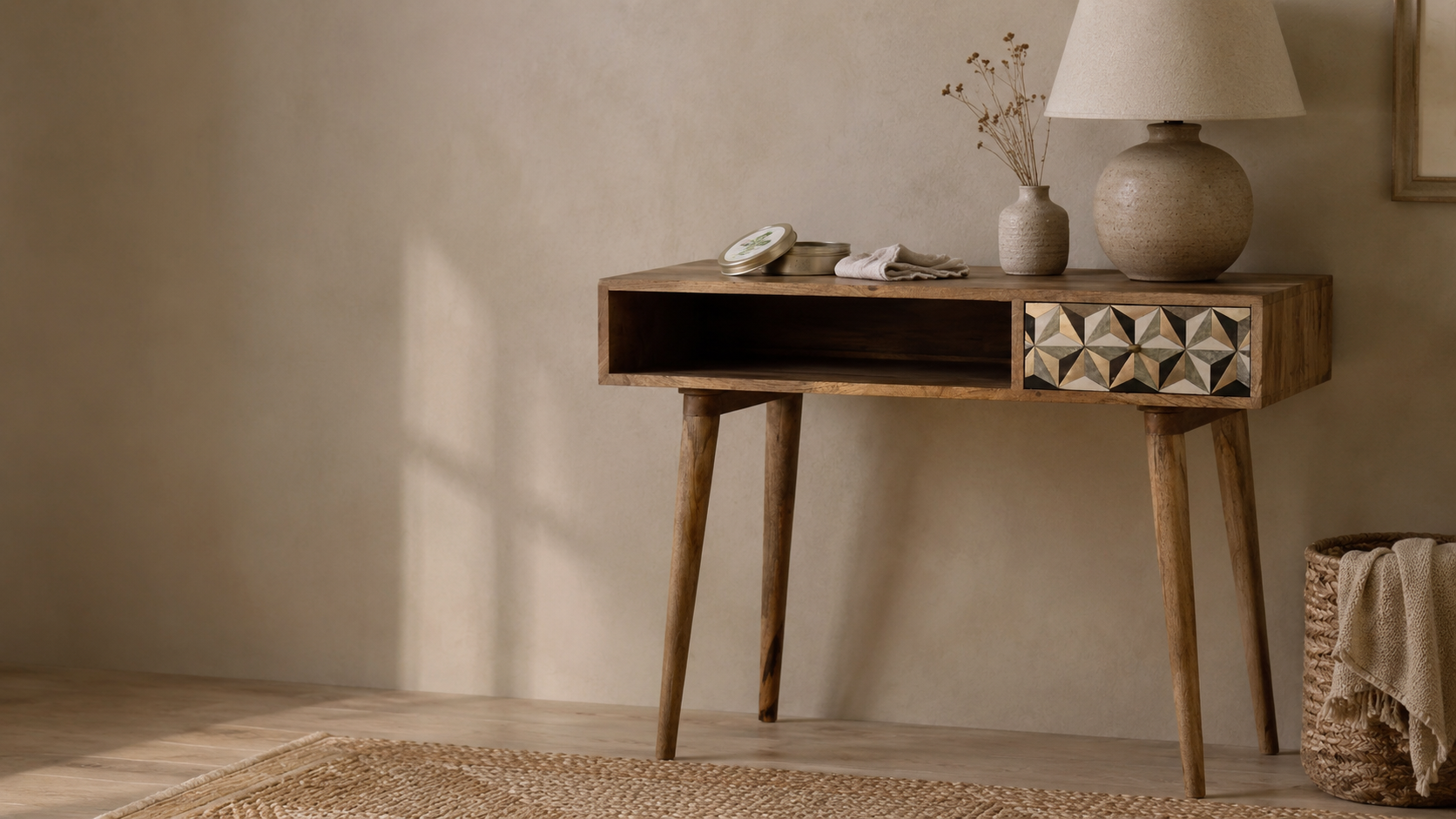
Solid wood furniture for kitchen life: warm, durable pieces that actually cope with spills
If you love the idea of solid wood furniture for kitchen living, you’ve probably also had the practical worry: will it cope with hot mugs, splashes of pasta sauce, crumbs, constant wiping down, and the general chaos of family life? A kitchen isn’t a show room — it’s the most hard-working space in the house. The good news is that solid wood can be a brilliantly practical choice, as long as you know what to look for (and what to avoid) before you buy.
Below is a straight-talking guide to choosing real-wood kitchen pieces that feel warm and grown-up, without making you nervous every time someone puts down a glass.
Why kitchens are tough on furniture (and what that means for wood)
Kitchens combine a few things furniture doesn’t always love: moisture, heat, frequent cleaning, and constant contact. That doesn’t mean wood is a no-go — it just means your furniture needs to be built and finished with kitchen reality in mind.
Common worries are valid:
- Stains and rings from water, wine, coffee, citrus, and cooking oils.
- Heat marks from mugs, serving dishes, and warm pans set down in a hurry.
- Movement in the timber as humidity rises and falls (wood naturally expands and contracts).
- Wobble and loosened joints from daily perching, scooting chairs, and kids climbing up.
A well-made solid wood table is often more forgiving than people expect because it’s thick, repairable, and designed to age. A flimsy veneered table can look fine at first, then chip at the edges or bubble if moisture gets underneath. Solid wood, by contrast, can usually be refreshed over time.
The key is choosing the right construction, finish, and proportions for how you actually use your kitchen.
Solid wood furniture for kitchen use: what to look for before you buy
Not all solid wood kitchen furniture is made equal. A table that feels calm and substantial in a showroom should also feel stable when someone leans on it to chop herbs or when three people sit down with laptops and breakfast.
Here’s what genuinely matters:
- A robust top thickness: Thicker tops tend to feel steadier and cope better with everyday knocks. They also look more “anchored” in open-plan spaces.
- Sound joinery and a stable base: A solid, well-braced base (or well-designed legs) helps prevent wobble over time. If a table feels light or rickety from day one, it won’t improve.
- A practical finish: For kitchens, you generally want a finish that resists moisture and is easy to wipe down. (More on finish types below.)
- Room for real life: Think about legroom, chair clearance, and whether the table will double as a prep space, homework zone, or casual working spot.
If you’re comparing “solid wood furniture for kitchen” options, pay attention to how the piece is designed to live in a busy home — not just how it photographs.
The truth about finishes: keeping real wood kitchen tables practical
Finish is the difference between “relax, it’s fine” and “please don’t put that there”. When people say solid wood marks easily, it’s often because the finish isn’t suited to daily kitchen use or it’s been allowed to wear unevenly.
A few useful principles:
- Sealed finishes are lower-maintenance: A well-sealed surface is typically easier to wipe and less prone to absorbing spills quickly.
- Oil finishes can be beautiful, but they ask more of you: Oiled wood looks natural and can be refreshed, but it may need periodic re-oiling and quicker clean-ups of spills.
- No finish makes wood indestructible: Even very practical finishes can show wear in high-use spots over time. The difference is whether that wear feels like gentle character or annoying damage.
Simple habits make a big difference, whichever finish you choose:
- Use coasters for hot mugs and glasses (especially if you love tea and coffee as much as most UK kitchens do).
- Wipe spills promptly with a slightly damp cloth, then dry.
- Avoid harsh, heavily fragranced sprays that can build up and dull the finish; a mild soap solution is often enough.
If your kitchen table will be used for everything — rolling pastry, kids’ crafts, weeknight dinner — it’s worth prioritising a finish that suits that level of contact.
Why solid mango wood suits busy kitchens (warmth, grain, and resilience)
Solid mango wood is popular in homes that want warmth without fussiness. Visually, it has a rich, lively grain that brings depth to a kitchen, especially if your cabinetry is flat-fronted or minimalist.
From a day-to-day perspective, mango wood works well because:
- It feels substantial: A solid top has reassuring weight and presence, which matters in a space where furniture gets used constantly.
- It has natural character: The grain and tonal variation help a table look inviting rather than “perfect”, which suits a working kitchen.
- It ages in a friendly way: With sensible care, small marks can blend into a lived-in patina. And because it’s solid, it can often be refreshed over time.
This is exactly why many people searching for real wood kitchen tables end up preferring something like mango: it brings that warm, organic feel to everyday meals, without looking too precious.
One caveat: natural variation is part of real wood. If you want a surface that looks identical from one end to the other, wood may feel too honest. But if you like furniture that feels considered and grown-up, that variation is usually a plus.
Choosing the right size and shape for how you cook and gather
The best kitchen table isn’t the biggest; it’s the one that supports your routines.
Think through a normal week:
- Weeknight dinner for two: You’ll want enough surface space for serving dishes, but not so much that the table dominates the room.
- Sunday prep session: If you regularly chop, portion, and pack lunches at the table, a little extra depth can feel like a luxury.
- Homework and WFH crossover: If the kitchen doubles as an office, prioritise comfortable legroom and chairs you’ll actually sit in for an hour.
A few practical guidelines (without overcomplicating it):
- Leave clear walkways so you’re not constantly squeezing past chair backs. In busy kitchens, easy flow matters more than an extra seat.
- If you’re in an open-plan space, choose proportions that visually “fit” the kitchen zone. A solid wood table can help anchor the dining area and make the whole room feel calmer.
- Consider the table edge: slightly rounded edges can feel softer in family spaces and are kinder on hips when you’re rushing around.
If you’re deciding between several pieces of solid wood kitchen furniture, start with how you move through the space — then let style come second. The most beautiful table is the one you enjoy using daily.
Kitchen seating that holds up: chairs vs stools (and what feels grown-up)
Seating is where practicality meets comfort. In kitchens, chairs and stools take a lot of punishment: dragged across floors, climbed on, wiped down, and used for everything from quick breakfasts to long chats while you cook.
Chairs suit you if:
- You regularly sit for longer meals.
- You want a more settled, dining-room feel in the kitchen.
- Comfort is a priority (especially if you host).
Stools are brilliant if:
- You have an island or breakfast bar.
- You need flexible seating that tucks away.
- The kitchen is narrow and you want to keep walkways clear.
What makes seating feel “grown-up” isn’t just the look — it’s the stability and proportion. A good stool should feel balanced when someone perches on the edge, and a good chair should feel supportive rather than flimsy.
Style-wise, solid wood pairs beautifully with:
- Scandi and Japandi kitchens: keep lines simple, let the grain do the work.
- Mid-century modern: choose warm wood tones and clean silhouettes.
- Rustic modern: mix wood with tactile textiles and softer lighting.
If you like the warmth of wood but want to avoid a heavy look, balance it with lighter chairs, woven textures, or a pale rug under the table (washable, ideally).
Real-life kitchen scenarios (and how solid wood fits in)
A few everyday examples to help you picture what you’re buying:
- The home-chef kitchen: You plate up at the table, use it for tasting sessions, and it’s often covered in little bowls. A solid wood top feels steady and welcoming, and you’re not constantly worried about a delicate veneer edge.
- The young-family kitchen: The table is breakfast, crafts, and homework — sometimes all before noon. Wood brings warmth and a sense of calm, and minor scuffs don’t feel like a disaster so long as the finish is practical.
- The “we actually host” kitchen: People gravitate to the kitchen. A solid wood table creates a natural hub; it looks good with candlelight, serving platters, and mismatched glasses. The goal is a surface that feels inviting, not untouchable.
- The renter upgrading their space: You want something that feels permanent even if the kitchen isn’t. Solid wood furniture can be that anchor piece you take from home to home, because it doesn’t rely on a temporary trend to look right.
In all of these, the win is the same: furniture that can handle life while making the room feel warmer and more intentional.
Conclusion
A kitchen should feel like the heart of the home — not a space where you’re tiptoeing around your furniture. With the right construction, a sensible finish, and proportions that suit your routines, solid wood furniture for kitchen use can be both beautiful and genuinely practical. It brings warmth, depth, and that quietly “well-made” feeling that cheaper pieces rarely deliver.
If you’re ready to bring that lived-in, natural character into your space, explore our handcrafted solid mango wood furniture collection.