

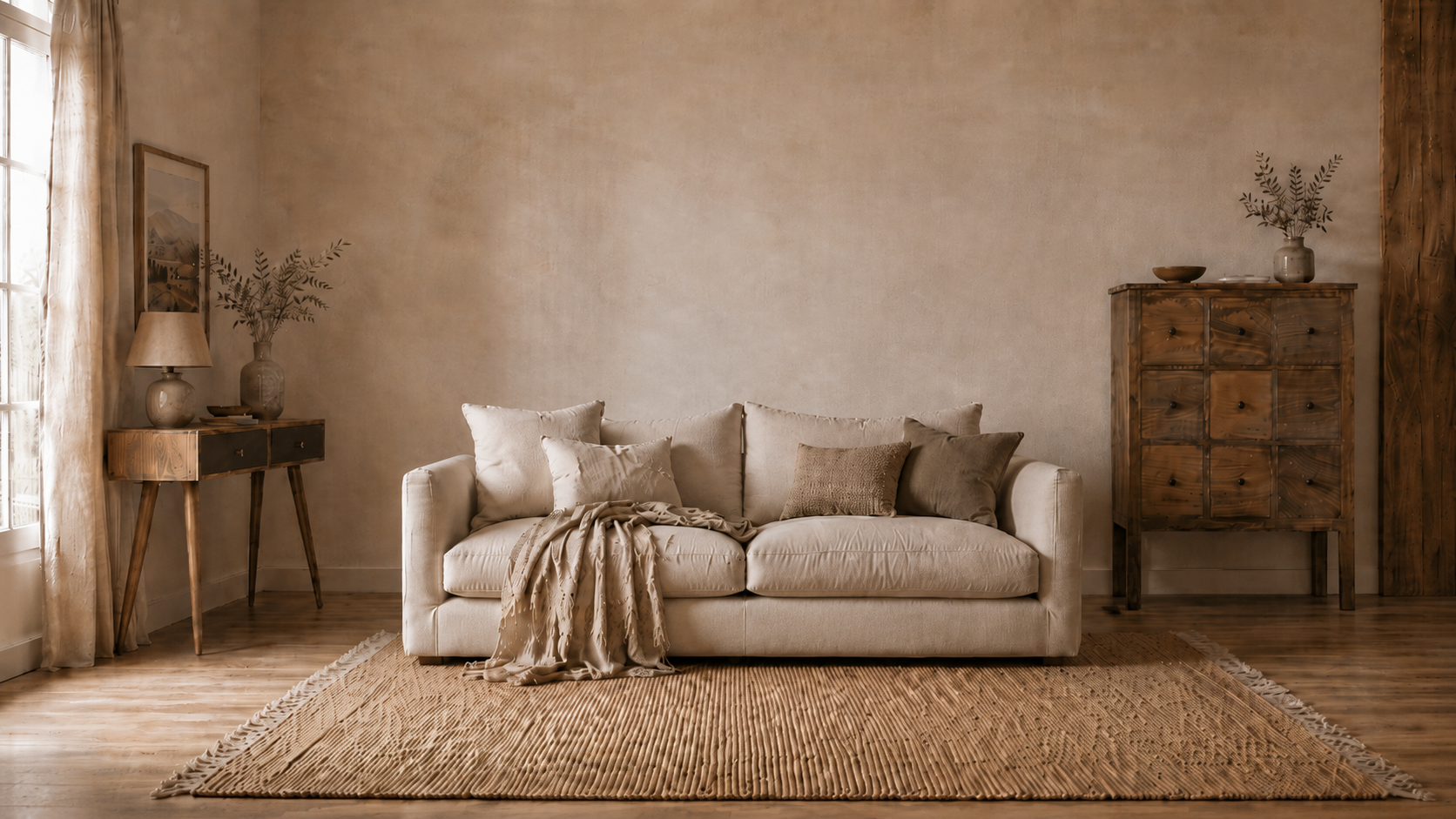
Can living room furniture be different colors? How to mix shades without making it feel messy
If you’ve ever looked around your living room and worried that mixing a navy sofa with a warm wood coffee table (or pairing a cream armchair with a darker TV unit) might look “wrong”, you’re not alone. The question "can living room furniture be different colors" usually comes up when you want your space to feel personal and layered—but not chaotic. The good news: different colors can look incredibly intentional, as long as you follow a few grounding principles around tone, balance, and repetition.
1) Start with a ‘hero’ piece, then build your palette around it
Most mixed-color living rooms go wrong when every item is trying to be the star. Instead, choose one anchor piece to lead the scheme—usually the sofa, because it’s the largest and most visually dominant.
A simple way to decide:
- If your room is light and calm: make the sofa the contrast (charcoal, deep green, navy).
- If your room is busy or small: keep the sofa quieter (oat, stone, soft grey) and bring color in through occasional furniture and textiles.
Then pull 2–3 supporting tones from the hero piece and repeat them elsewhere. For example:
- Navy sofa → repeat navy in a rug detail or artwork; add warm wood and a soft cream chair.
- Oat sofa → introduce contrast with a black metal floor lamp, a walnut-toned side table, and earthy cushions.
This approach makes “different colors” feel like a considered palette rather than a collection of unrelated purchases.
2) Can living room furniture be different colors and still feel cohesive? Yes—match undertones, not exact shades
Cohesion rarely comes from everything matching perfectly. It comes from the room sharing the same *undertone*.
Here’s a practical way to think about it:
- Warm undertones: camel, tan, rust, terracotta, olive, warm whites, and honey-toned woods.
- Cool undertones: true grey, crisp white, cobalt, icy blues, and cooler black/metal finishes.
You can absolutely mix a cream sofa, a mid-tone wood console, and a green armchair—if they all lean warm, the room will feel naturally pulled together.
Tip: when you’re shopping online, zoom in on fabric and wood photos and look for cues. Does the “white” read chalky and cool, or creamy and warm? Does the wood feel golden, or more ashy? Getting undertones aligned is one of the easiest ways to learn how to mix furniture colors without second-guessing every purchase.
3) Use the 60–30–10 rule (but keep it flexible for real homes)
Design rules are most helpful when they’re treated like scaffolding, not strict laws. The classic 60–30–10 guideline works well for mixed color living room furniture:
- 60%: your main backdrop (walls + large rug + big sofa if it’s neutral)
- 30%: secondary color (wood tones, a statement chair, curtains)
- 10%: accent color (side tables, cushions, art, lampshades)
A real-world example:
- 60%: warm off-white walls, light rug, beige sofa
- 30%: solid wood pieces (coffee table + TV unit) in a consistent warm tone
- 10%: black accents (frames, a slim side table, hardware) plus a small hit of muted green
If your sofa is bold (say, deep green), it may take up more than 30% visually—so you’d simply keep the rest calmer and repeat the green subtly once or twice so it feels intentional.
4) Mix wood tones the easy way: keep the ‘temperature’ consistent
Wood is often the make-or-break element in mixed color schemes because it sits somewhere between “color” and “neutral”. You can mix woods beautifully, but aim for a shared warmth.
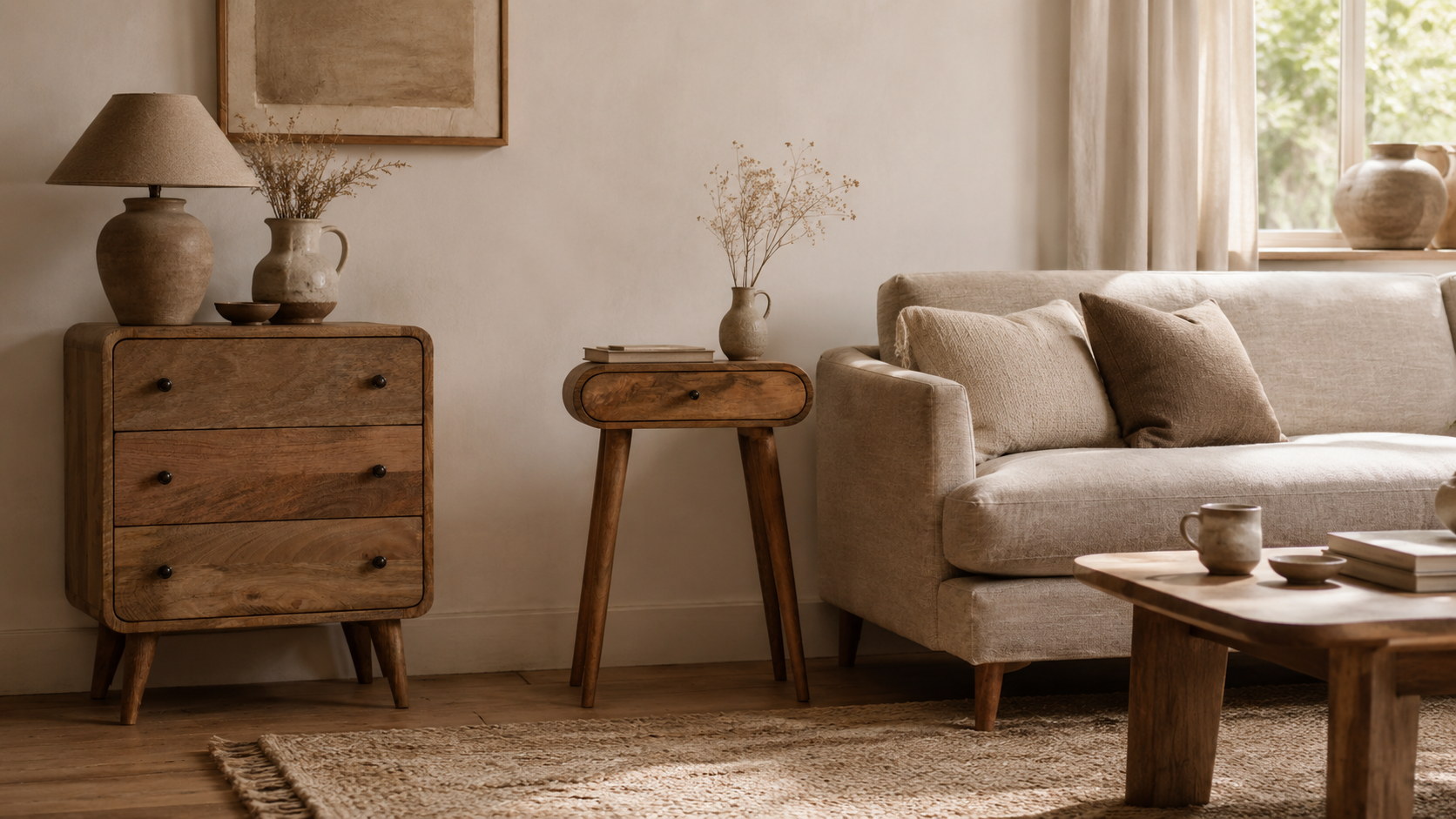
For design-conscious homes, warm-toned wood is especially forgiving because it adds softness and depth. Solid mango wood, for instance, tends to bring a rich, honeyed warmth and visible grain that sits comfortably alongside neutrals, earthy colors, and deep, inky tones.
Try these pairings:
- Warm wood + cream upholstery + black accents: grown-up and modern.
- Warm wood + olive or rust textiles: relaxed, organic, and inviting.
- Warm wood + navy sofa: classic contrast that still feels warm.
If you already own a cooler-toned piece (like a grey-washed unit), you don’t have to replace it—just bridge the gap with a rug that contains both tones, or add a warmer lamp base or side table to soften the transition.
5) Create ‘bookends’ so mixed colors look deliberate, not accidental
One of the simplest styling tricks for mixed color living room furniture is to create repetition—think of it as visual reassurance. If a color appears only once, it can look like a random purchase. If it appears two or three times, it becomes a scheme.
Easy ways to repeat color without overdoing it:
- If you choose a blue sofa, add a blue note in a cushion, a print, or a vase.
- If your coffee table is warm wood, echo that wood tone in a picture frame, a shelf, or a side table.
- If you introduce black (legs, handles, or a side table), repeat it in lighting or artwork.
This is especially useful in open-plan rooms where your living area shares sightlines with the kitchen or dining space. A repeated accent color can help the whole floor feel calm and connected, even when the furniture isn’t all one matching set.
6) Practical buying tips: proportion, texture, and what to choose first
If you’re still building your room, buying in the right order makes mixing colors much easier.
1) Choose the sofa first (size + comfort before color perfection).
A sofa that fits your room and your life matters more than chasing the “ideal” shade. In family homes, mid-tones often wear better visually than very pale or very dark fabrics, but the best choice is the one you’ll enjoy living with.
2) Then choose your main wood pieces (coffee table, media unit, sideboard).
Larger wooden items set the warmth level of the room. A well-made solid wood piece brings weight and longevity—and because natural grain adds visual movement, it helps mixed colors feel richer rather than busier.
3) Add occasional pieces last (side tables, accent chairs).
This is where you can be braver: a darker side table, a contrasting chair, or a different finish can add personality without overwhelming the space.
Don’t forget texture.
Texture is the quiet hero of cohesion. A smooth leather-look finish, a nubby woven rug, soft linen cushions, and visible wood grain can make a mixed-color scheme feel layered and “done”, even if the colors are varied.
A quick reality check before you buy:
- View items together on-screen (save product images to one folder).
- Order swatches where possible.
- Consider lighting: north-facing rooms make colors cooler; warm bulbs make creams and woods glow.
Conclusion
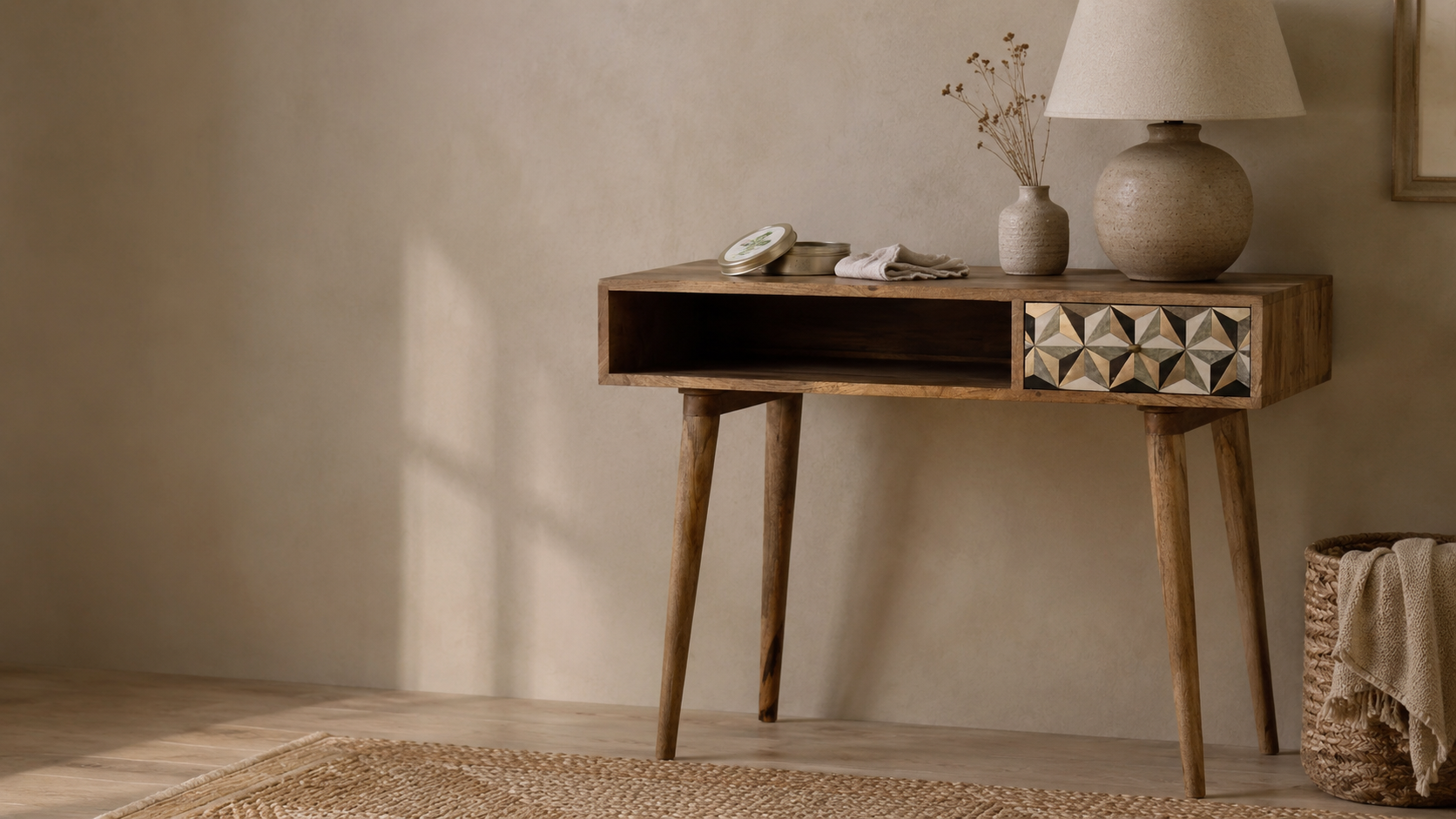
So, can living room furniture be different colors? Absolutely—and often it looks more thoughtful than a perfectly matching set. Focus on one hero piece (usually the sofa), keep undertones consistent, repeat key shades, and let natural materials like warm-toned wood add depth and calm. If you’re ready to build a living room that feels personal, grown-up, and made to last, explore our handcrafted solid mango wood furniture collection.


%20might%20look%20%E2%80%9Cwrong%E2%80%9D,%20you%E2%80%99re%20not%20al...)