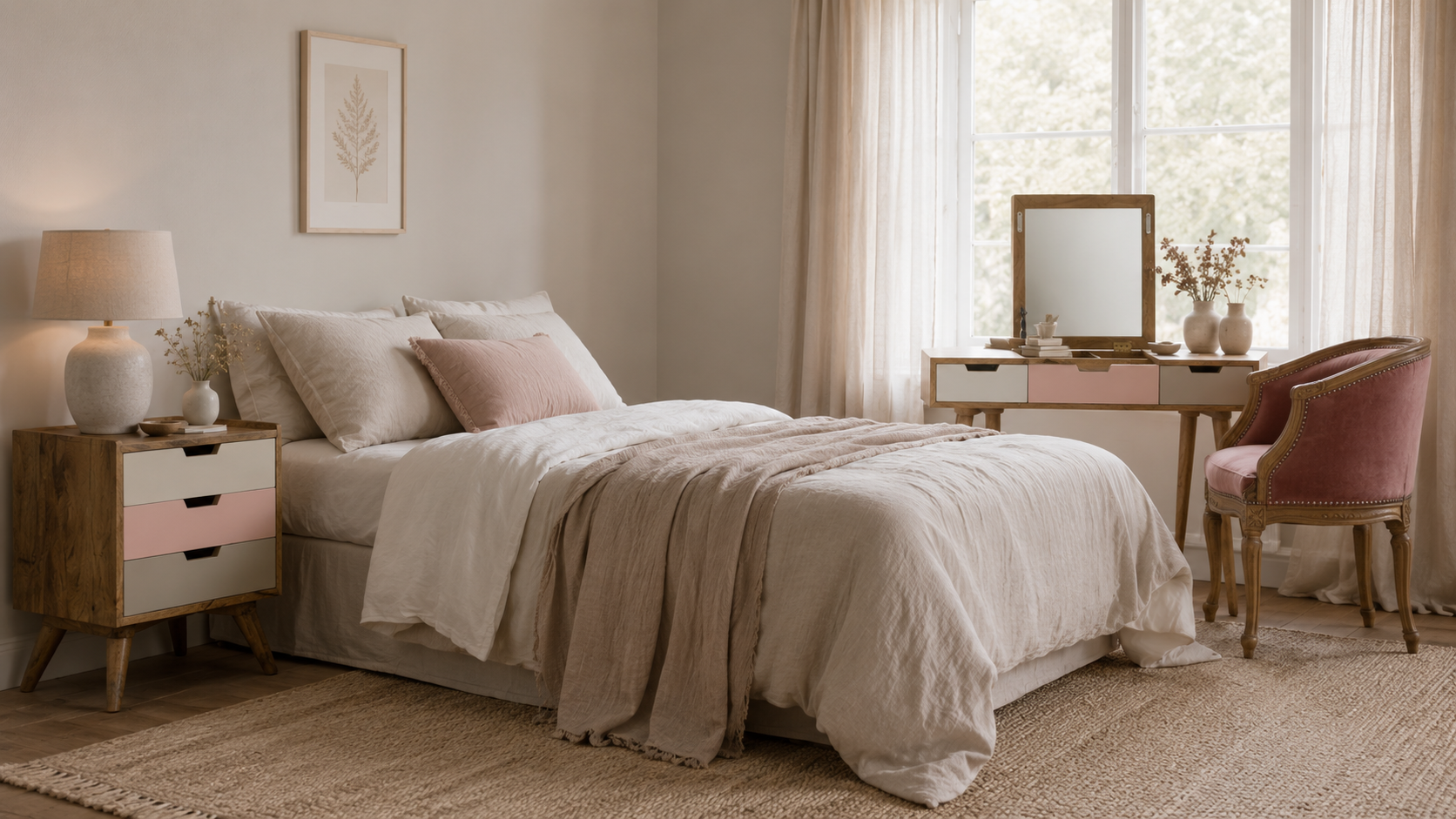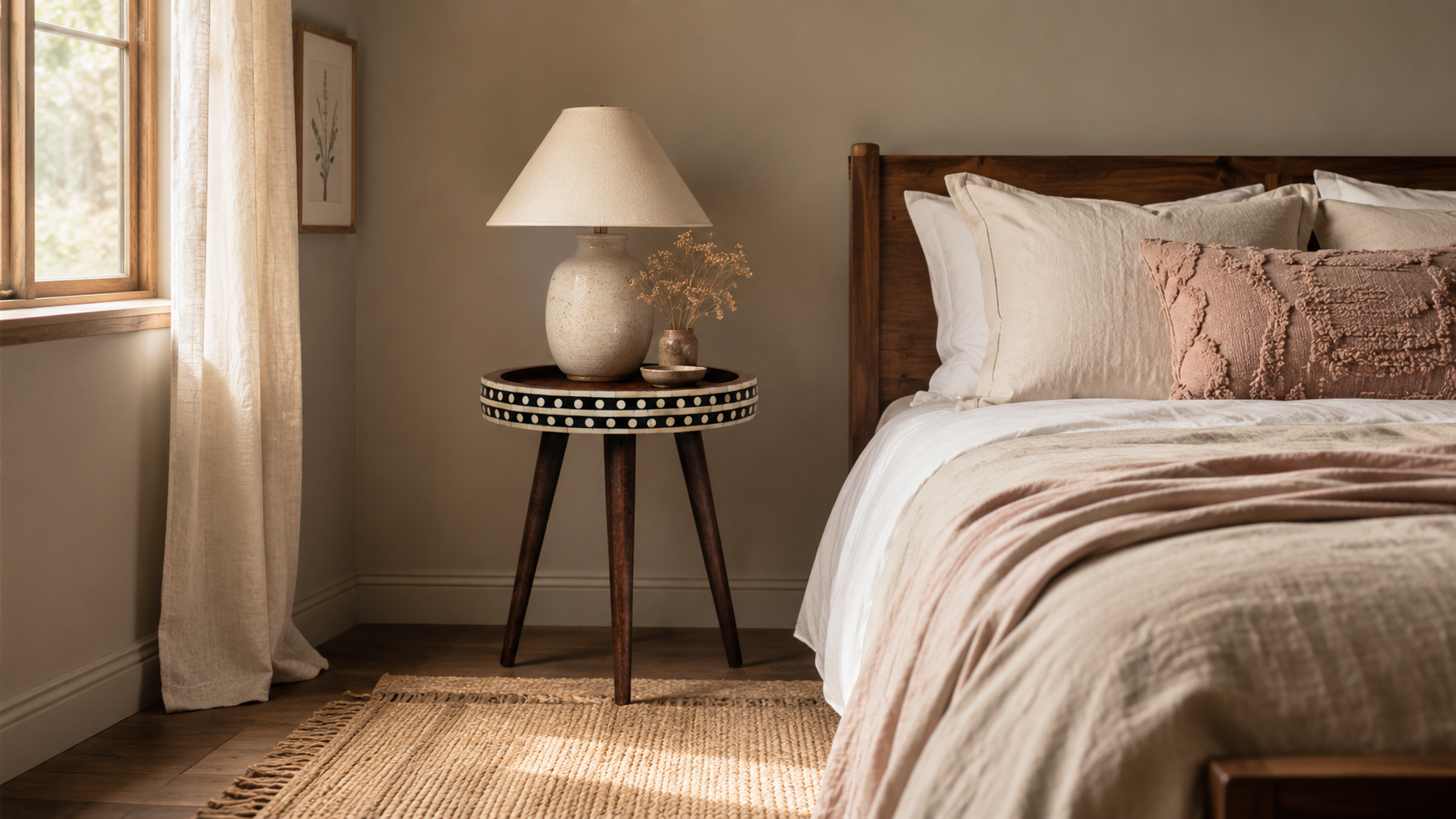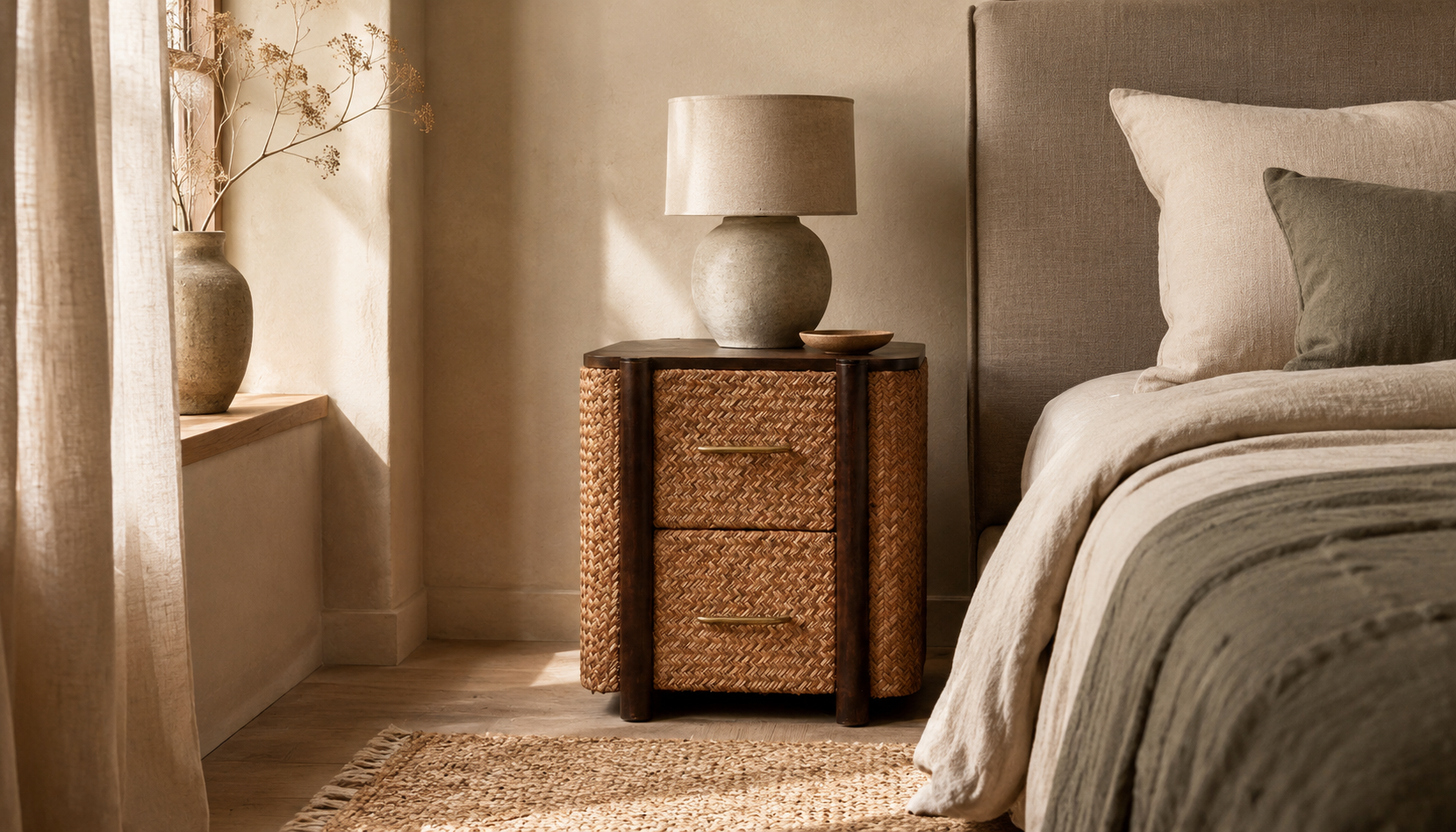
What Bedroom Furniture Do I Need? A Calm, Practical Checklist (Without Overcrowding)
If you’re asking “what bedroom furniture do I need?”, you’re probably in that familiar spot: moving house, upgrading from a mismatch of pieces, or trying to make a small bedroom work harder. The tricky part isn’t finding furniture—it’s deciding what’s genuinely essential, what can wait, and how to avoid filling the room with bulky items you’ll regret.
A bedroom should feel calm and grown-up, with enough storage to keep daily life tidy. The best approach is to start with the true bedroom furniture essentials, then add only what supports how you actually live (and how your room is shaped).
Start with your room (not a shopping list)
Before you buy anything, take ten minutes to work out the practical constraints. It’ll save you money, space, and a lot of frustration.
1) Measure properly (and include the awkward bits).
- Overall room size, plus ceiling height if you’re considering tall storage.
- Window placement, radiators, door swings, and built-in cupboards.
- The “walkways”: aim for comfortable clearance around the bed so you’re not squeezing past corners every morning.
2) Decide what must be stored in the bedroom.
A calm bedroom depends on where you keep the “life stuff”. Be honest:
- Everyday clothing vs. occasion wear
- Shoes and bags
- Bedding, towels, and spare pillows
- Tech, chargers, books
3) Choose the feeling you want.
If you’re drawn to mid-century modern, Scandinavian, Japandi, or organic modern interiors, the common thread is simple: fewer, better pieces with warm natural materials. Solid wood—like mango wood—adds depth and warmth that painted MDF simply can’t, and it tends to age in a way that looks considered rather than tired.
Real-world example: In a box room, two slim bedside tables and one well-chosen chest can feel calmer (and hold more) than a bulky wardrobe that dominates the space.
What bedroom furniture do I need first? The non-negotiables
Most people don’t need a long list of must-have bedroom furniture. You need the pieces that support sleep, daily routines, and tidy storage.
1) A bed frame that feels solid
Your bed is the anchor of the room. If you’ve lived with a wobbly frame or squeaky joints, you’ll know how quickly it makes a bedroom feel temporary. Look for:
- A sturdy, well-proportioned frame
- A headboard (not essential, but genuinely useful for comfort and protecting walls)
- Practical clearance underneath if you use under-bed storage
A well-built wooden bed has a reassuring “weight” to it—visually and physically—which helps a room feel grounded.
2) A bedside surface (at least one)
A bedside table isn’t just decorative. It stops daily clutter migrating onto the floor.
- Lamp, book, water glass, phone/charger
- A drawer helps hide the small stuff that makes a room feel messy
If space is tight, start with one bedside table on the side you use most. Matching pairs look polished, but they’re not mandatory.
3) The right storage piece for your clothing reality
If your bedroom has built-in wardrobes, you may only need a chest of drawers for folded items and everyday essentials. If you don’t, you’ll likely need a combination (more on that below).
If you’re building a long-term home, prioritising quality here matters. A well-made chest with smoothly running drawers will get used daily for years—this is where cheap furniture often chips, sticks, or loosens over time.
Must-have bedroom furniture: choose the storage that suits your habits
Storage is where bedrooms succeed or fail. The goal is to keep surfaces clear so the room feels restful.
A chest of drawers: the most versatile choice
For many homes, a chest is the best first storage buy.
- Easy to live with day-to-day
- Great for knitwear, denim, gym kit, sleepwear
- The top can hold a mirror, tray for jewellery, or a small lamp (without looking like a dumping ground)
Bedside tables: small pieces with big impact
If you’re trying to make the room feel “finished”, bedside tables do a lot of heavy lifting.
- They add symmetry and calm
- They keep essentials within reach
- They give you contained storage for chargers, hand cream, and all the bits that otherwise float around
Think in categories, not just furniture types
Make a quick list:
- What needs hanging (shirts, dresses, coats)?
- What needs folding (jumpers, jeans)?
- What needs containing (belts, accessories, medication, chargers)?
Real-world example: If you fold most clothes and rarely hang items, a generous chest plus a few good hangers in a small wardrobe can work better than a huge wardrobe you never fully use.
Why material matters
Pieces used daily—drawers and bedside tables—benefit from solid wood construction. Solid mango wood brings warmth and visible grain, and it tends to feel more substantial than flat-pack alternatives, especially in rooms where you want a calmer, more grown-up feel.
Avoid overcrowding: the ‘one clear wall’ rule and smarter layouts
It’s easy to over-furnish a bedroom, especially if you’re buying everything at once. A simple trick: aim to keep one wall visually clear (or at least lighter). It helps the room breathe.
Layout tips that work in real UK bedrooms
- Small bedroom: choose a slightly narrower bedside table and prioritise a chest over extra occasional furniture.
- Long, narrow room: place the bed on the long wall if it improves flow, and use a taller chest to gain storage without eating floor space.
- Awkward corners: rather than forcing in a wide piece, choose a chest with a smaller footprint and use the wall above for art or a mirror.
Be realistic about door and drawer clearance
A chest that technically fits may still be annoying if drawers hit the bed or you can’t open them fully. Leave enough room for day-to-day use.
Choose legs where possible
Furniture with a little visual lift (legs rather than a heavy block to the floor) often feels lighter in smaller rooms. It also makes cleaning easier.
Real-world example: In a modest double bedroom, two compact nightstands and one mid-height chest can create a complete look without blocking circulation or making the room feel tight.
What you can skip (or delay) without compromising the room
If you’re budgeting or staging your purchases, you can still create a “done” feeling without buying everything immediately.
You can delay matching pairs
Two identical bedside tables look tidy, but you can start with one. If your partner has a different routine, a small stool or wall shelf can do for now.
You can skip a dressing table if a chest does the job
Unless you genuinely sit to get ready, a chest of drawers can act as your morning station.
- Add a mirror above
- Use a tray for daily items
- Keep the surface intentionally minimal
You can often avoid extra storage by improving what you have
Before buying another unit, try:
- Better drawer organisers
- Under-bed boxes for out-of-season clothing
- A slimmer laundry solution
Be careful with “nice-to-haves” that become clutter magnets
Benches, extra chairs, and large blanket ladders can look great in photos but quickly collect clothes. If you want a bench, choose one with a clear purpose (putting on shoes, laying out tomorrow’s outfit) and enough space to use it.
These choices help you stick to true bedroom furniture essentials rather than ending up with a room that feels busy.
Buying for the long term: what to look for in quality craftsmanship
If you’re moving away from furniture that chips, warps, or loosens, focus on how the piece is made and how it will live in your home.
Check proportions and presence
A bedroom feels more expensive when the furniture looks intentional:
- Bed height and headboard scale that suits the room
- Bedside tables that sit close to mattress height (so they’re practical)
- A chest that’s not too low (which can feel lost) or too tall (which can feel looming)
Prioritise daily touchpoints
Spend more where you interact most:
- Drawer runners and joinery
- Handles that feel good in the hand
- A finish that suits real life (not overly delicate)
Embrace natural character, but know what you’re choosing
Solid wood furniture will show grain variation and subtle tonal shifts—part of what makes a bedroom feel warm and layered. Mango wood, in particular, brings a rich, lively grain that works beautifully with neutral bedding, soft rugs, and muted wall colours.
Styling that makes wood feel modern (not heavy)
- Pair warm wood with off-whites, clay tones, or soft greys
- Add black or brushed metal accents for a mid-century edge
- Keep bedding simple and textured (linen-look cotton, wool throws)
- Use one or two calming art pieces rather than lots of small frames
Real-world example: A solid wood bed with clean lines plus simple nightstands can work equally well with Japandi minimalism or a more rustic modern scheme—just change the textiles and lighting.
Conclusion
So, what bedroom furniture do I need? Start with a solid bed frame, at least one practical bedside surface, and the right storage for the way you actually dress and live. Once those foundations are in place, you can decide whether you truly need additional pieces—without overcrowding the room or buying furniture that feels like a short-term fix.
If you’re ready to upgrade to warm, characterful pieces made to be lived with, explore our handcrafted solid mango wood furniture collection from Grain and Loom.