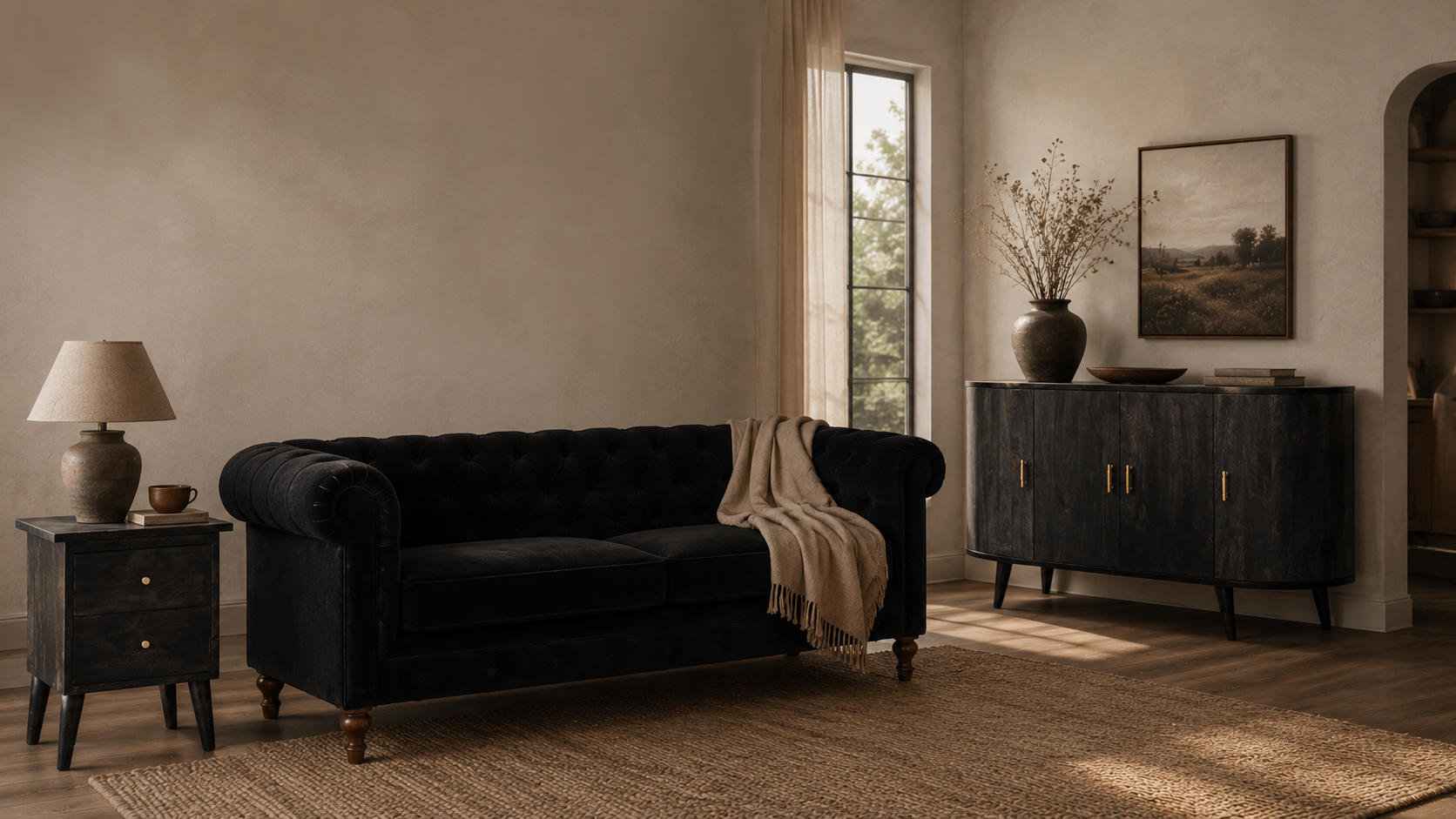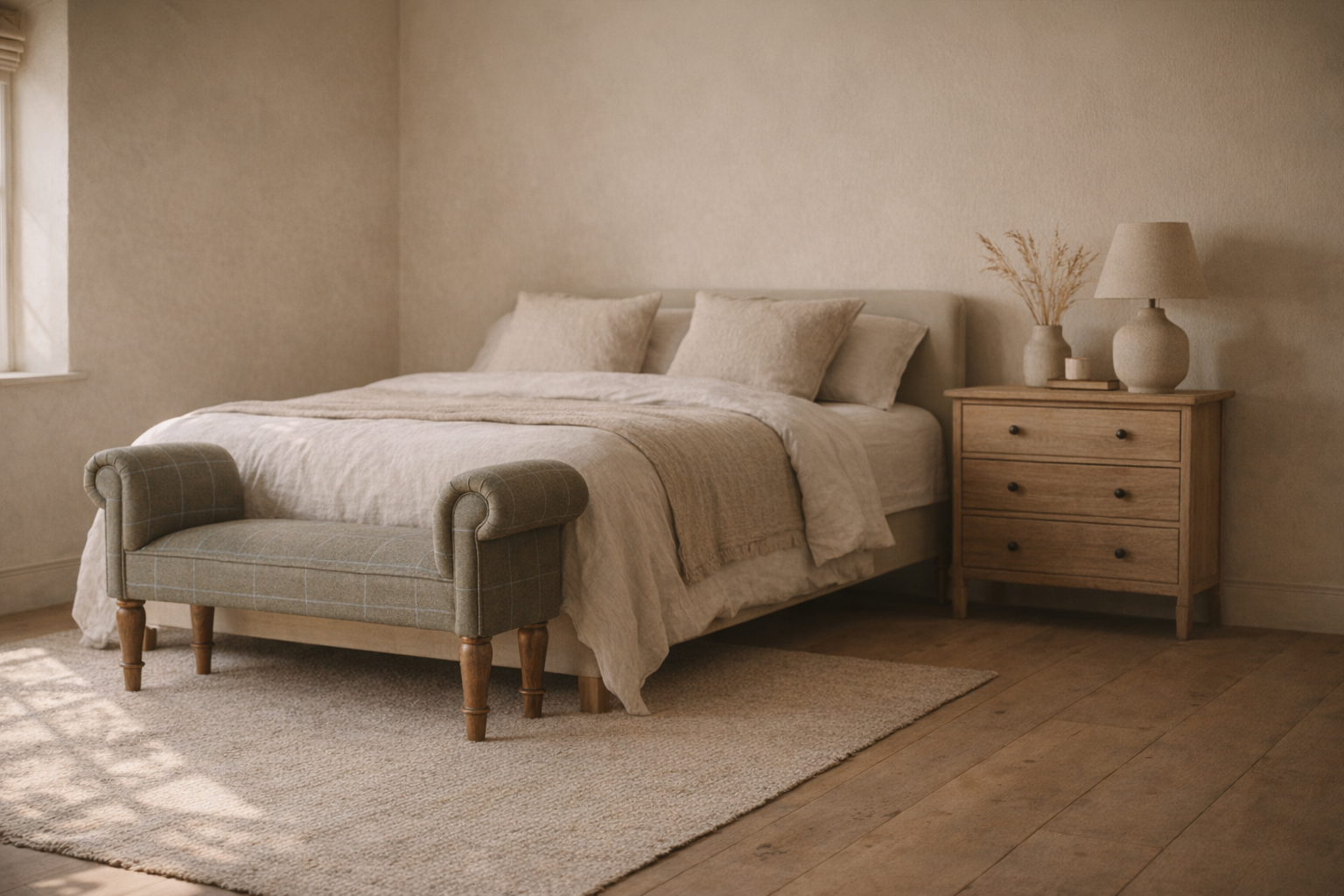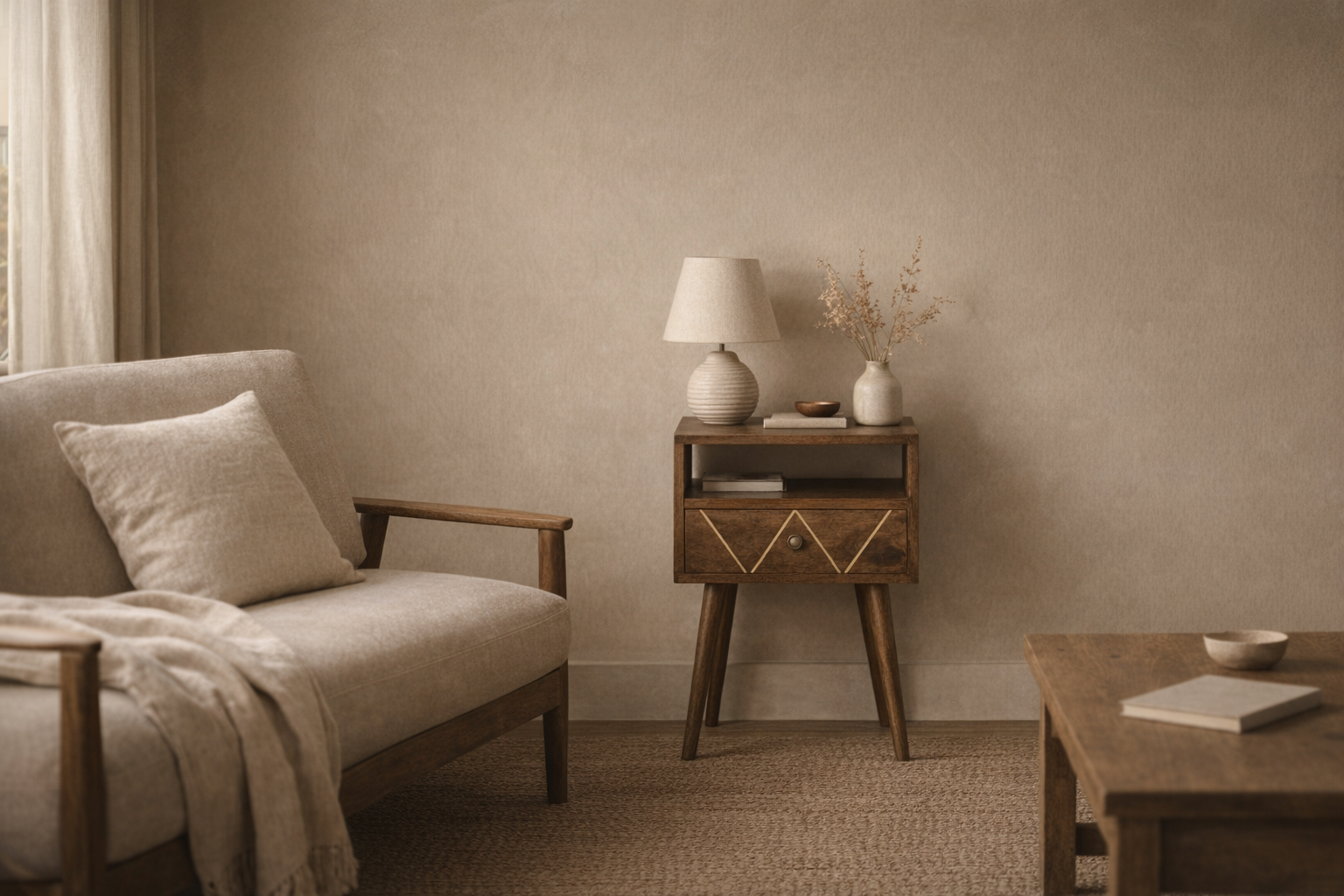
Living Room Furniture Collections with Mid-Century Modern Style: How to Choose Pieces That Actually Last
If you love mid-century modern design, you’ve probably run into the same frustration: plenty of living room pieces *look* right online, but in person they can feel light, wobbly, or overly “flat” (fake wood grain, thin veneers, flimsy hardware). The result is furniture that photographs well, then chips, warps, or starts to feel temporary after a year of real life.
The good news is that shopping for living room furniture collections with mid-century modern style gets much easier once you know what to look for—proportions, joinery, wood movement, finishes, and the small details that signal long-term durability. This guide will help you compare options with confidence, and picture how a cohesive, solid-wood living room can work in the home you actually live in.
Why mid-century modern still works (and why quality matters more than ever)
Mid-century modern has staying power because it’s built on a few principles that suit everyday American living: clean lines, human-scale proportions, functional storage, and warm natural materials. It plays well with open floor plans, smaller city living rooms, and multi-use family spaces.
But the same simplicity that makes the style timeless also makes poor construction easier to spot. When a design is pared back, you notice the basics—doors that don’t align, drawers that stick, legs that rack side to side, and finishes that scuff easily.
High-quality mid-century modern living room furniture is less about a specific “look” and more about how the piece is built:
- Stable construction that stays square over time
- Real wood presence (weight, grain depth, warmth)
- Well-fitting storage that opens smoothly and closes cleanly
- Thoughtful proportions that make a room feel calm, not crowded
If you’re building a living room you won’t want to replace in two years, starting with solid, well-made core pieces (like a media console, coffee table, and storage cabinet) is usually the smartest move.
A quick buyer’s checklist for solid wood furniture collections
Whether you’re browsing solid wood furniture collections online or visiting a showroom, a few practical checkpoints can help you separate “mid-century inspired” from truly durable, long-term pieces.
1) Materials that make sense for real life
Solid wood offers warmth and repairability that many engineered materials can’t match. Solid mango wood, for example, is valued for its characterful grain and natural variation—great for homes that feel lived-in rather than showroom-perfect.
2) Joinery and build cues (even when shopping online)
You often can’t see the joinery in product photos, but you *can* look for signals of intentional construction:
- Legs that feel integrated into the design (not like an afterthought)
- Doors and drawer fronts that look aligned and evenly spaced
- Substantial-looking tops on coffee tables and consoles
- Clear photos of interiors, back panels, and hardware
3) Finish that suits your household
A finish shouldn’t look plasticky or overly glossy unless that’s the aesthetic you want. For most mid-century and Scandinavian-leaning rooms, a more natural finish reads warmer and makes dust, fingerprints, and small scuffs less noticeable.
4) Functional details that you’ll appreciate every day
In living rooms, the practical wins are often small:
- Cord management and roomy compartments in a media console
- Drawers sized for remotes, batteries, and board games
- Cabinets deep enough for records, baskets, or a router/modem
5) Cohesion across pieces
Collections are helpful because the hard work of matching wood tone, leg profile, and scale is largely done for you. That’s especially valuable if you’re mixing a TV console, coffee table, and sideboard in the same sightline.
Living room furniture collections with mid-century modern style: what “cohesive” really looks like
A cohesive living room doesn’t mean everything matches perfectly. It means the pieces relate to each other in tone, proportion, and visual weight.
Here’s what to look for when you’re building a collection over time:
Repeat one or two design cues
Mid-century modern rooms feel pulled together when you repeat a detail—tapered legs, softly rounded corners, slatted or paneled fronts, or consistent hardware.
Keep heights intentional
A common mistake is mixing pieces that fight each other in scale (an extra-tall media console next to a low coffee table, for example). Mid-century rooms typically feel best with lower, longer silhouettes that let art and lighting breathe.
Balance closed and open storage
If your living room has to hide clutter (kids’ toys, extra throws, cables), choose at least one anchor piece with closed storage. Then you can add one lighter piece—like a coffee table with an open shelf—without the room feeling messy.
Think in zones
In a typical American layout, you’re usually working with three zones:
- TV / media wall
- Seating area (sofa + chairs)
- Storage and styling (sideboard, shelves, or an accent cabinet)
A collection makes it easier to build those zones without guessing whether the finishes and shapes will clash.
How Grain and Loom collections can fit different interiors (without forcing a “theme”)
If you’re drawn to mid-century modern but your home leans more organic modern, Japandi, or farmhouse modern, the key is choosing mid-century *shapes* with warm, natural materials. Solid wood pieces can flex across styles because the grain and tone do a lot of the decorating.
Grain and Loom’s collections are designed around that idea: timeless silhouettes, practical storage, and the natural warmth of solid mango wood.
Here are a few ways to think about the collections in real homes:
- The Cove Collection: A great fit if you like softer lines and an easy, welcoming feel. Works beautifully in organic modern living rooms with textured rugs, linen upholstery, and warm neutral walls.
- The Vale Collection: Ideal for a more classic mid-century mood—clean geometry, tidy proportions, and that “grown-up” look that doesn’t feel trendy. Pair it with leather, walnut-toned accents, and framed art for a tailored vibe.
- The Haven Collection: If your living room needs to feel calm and livable, look for pieces that blend storage with a relaxed presence. This is the kind of collection that suits family spaces—where you want style, but you also need things to function.
- The Orchard Collection: A natural match for rustic modern or farmhouse modern homes where you want warmth and authenticity, but still prefer clean lines over ornate details.
- The Edessa Collection: If your taste leans contemporary, a collection with crisp profiles can bridge mid-century and modern without feeling cold. Add softness through textiles—bouclé, wool, or a chunky knit throw.
- The Solace Collection: Think of this as a comfort-forward direction—pieces that help a room feel settled. Great for creating a living room that feels inviting in the evening light, especially with layered lamps.
If you’re deciding between collections, start with the anchor piece you’ll use most (often the media console). Then build outward with a coffee table and a storage piece that solves a real problem—cords, games, toys, or entryway overflow.
Real-life layout ideas: making mid-century modern work in American living rooms
Mid-century modern is famous for clean styling, but the best versions are practical. Here are a few common scenarios and how solid wood pieces can support them.
1) The open-plan living room (TV visible from the kitchen)
Choose a media console with a long, low profile so the TV wall feels grounded rather than towering. Add a coffee table that’s substantial enough to hold drinks, books, and a tray, and a closed-storage piece (like a cabinet) to hide the not-pretty stuff.
2) The smaller apartment living room
Prioritize pieces with storage and lighter visual lines—tapered legs and open space underneath can make a tight room feel larger. A compact coffee table plus a streamlined console can give you function without bulk.
3) The family living room (toys, throws, real life)
Aim for at least one “catch-all” storage piece with doors, so you can reset the room quickly. Solid wood is helpful here because it’s built for daily use and tends to age more gracefully than ultra-gloss finishes that show every mark.
4) The “grown-up” lounge (entertaining-focused)
Lean into symmetry: a long console, a centered coffee table, and intentional lighting. Add a bar cabinet or sideboard-style piece for glassware and serving items. The room will feel designed—but still warm.
A useful rule: leave enough clearance for easy movement—around 14–18 inches between the sofa and coffee table is a common comfort range, depending on your layout.
Styling tips: keep the mid-century feel, add your own warmth
Mid-century modern doesn’t need to feel like a time capsule. A few choices keep it timeless while making it personal.
Mix woods thoughtfully
You don’t have to match every wood tone. Instead, keep undertones compatible (warm with warm, cooler with cooler). Solid mango wood tends to bring warmth, so it pairs well with cream, camel, warm gray, and earthy greens.
Use contrast to highlight clean lines
- Light sofa + warm wood tables and consoles
- Dark rug + lighter wood casegoods
- Matte black accents (frames, floor lamp) to sharpen the silhouettes
Layer texture so the room doesn’t feel “hard”
Mid-century shapes are clean; balance them with softness:
- Wool or jute rug
- Linen curtains
- A tactile throw and a couple of varied pillows
Keep surfaces styled, not cluttered
A coffee table looks best with a simple trio: a tray, a book stack, and something organic (a small bowl, branches, or a ceramic piece). If your storage is working, the styling can stay minimal—and the room still feels finished.
Conclusion
Finding living room furniture collections with mid-century modern style isn’t the hard part—finding pieces that feel substantial, function well every day, and still look beautiful years from now is where most shoppers get stuck. Focus on solid materials, thoughtful proportions, and storage that supports your real routines, and you’ll end up with a living room that feels calm, warm, and intentionally put together.
If you’re ready to explore pieces built for daily life (and designed to age with character), take a look at Grain and Loom’s handcrafted solid mango wood collections—starting with the anchors you’ll use most.