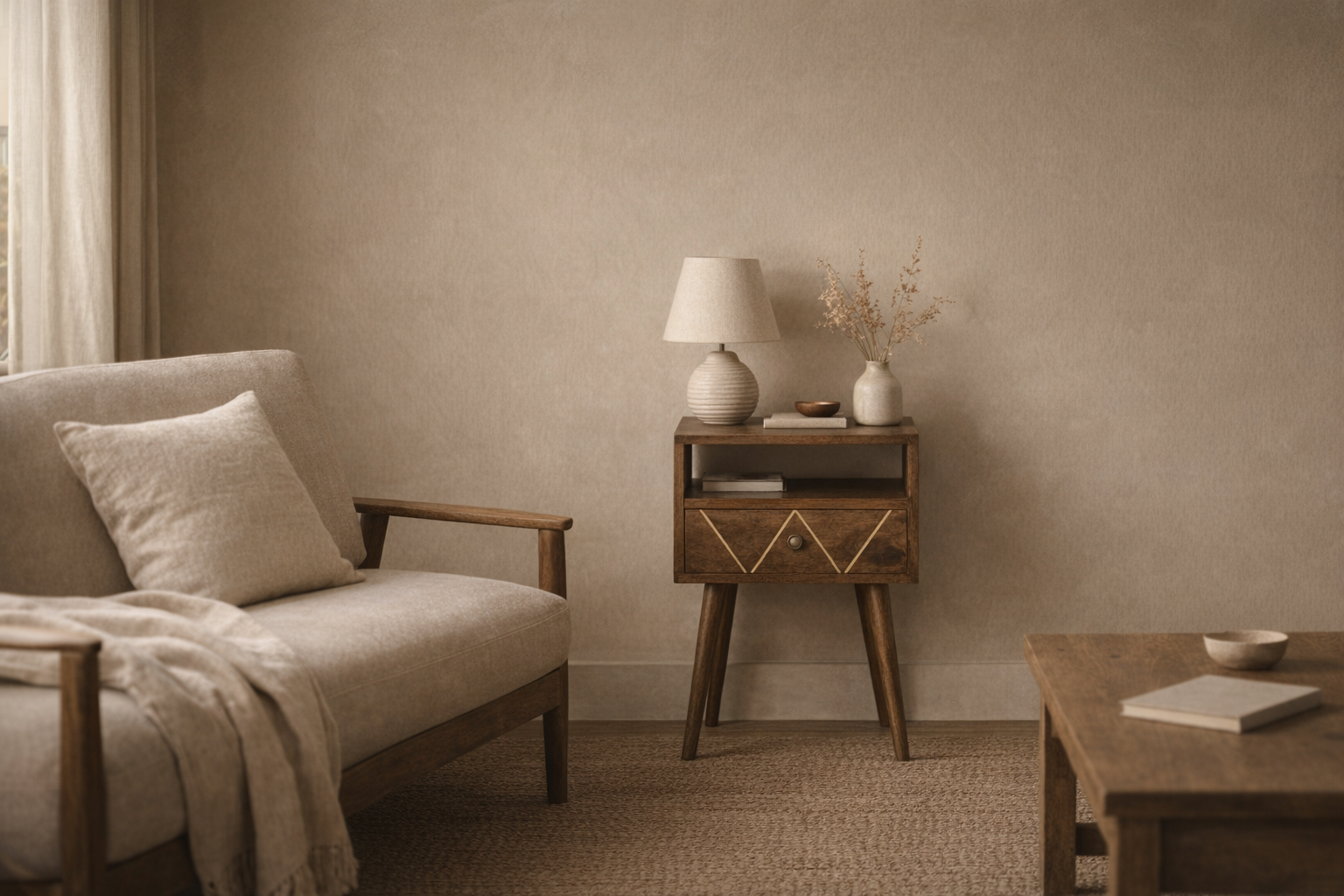
Article: Living Room Furniture Black: How to Make It Feel Warm, Stylish, and Built to Last
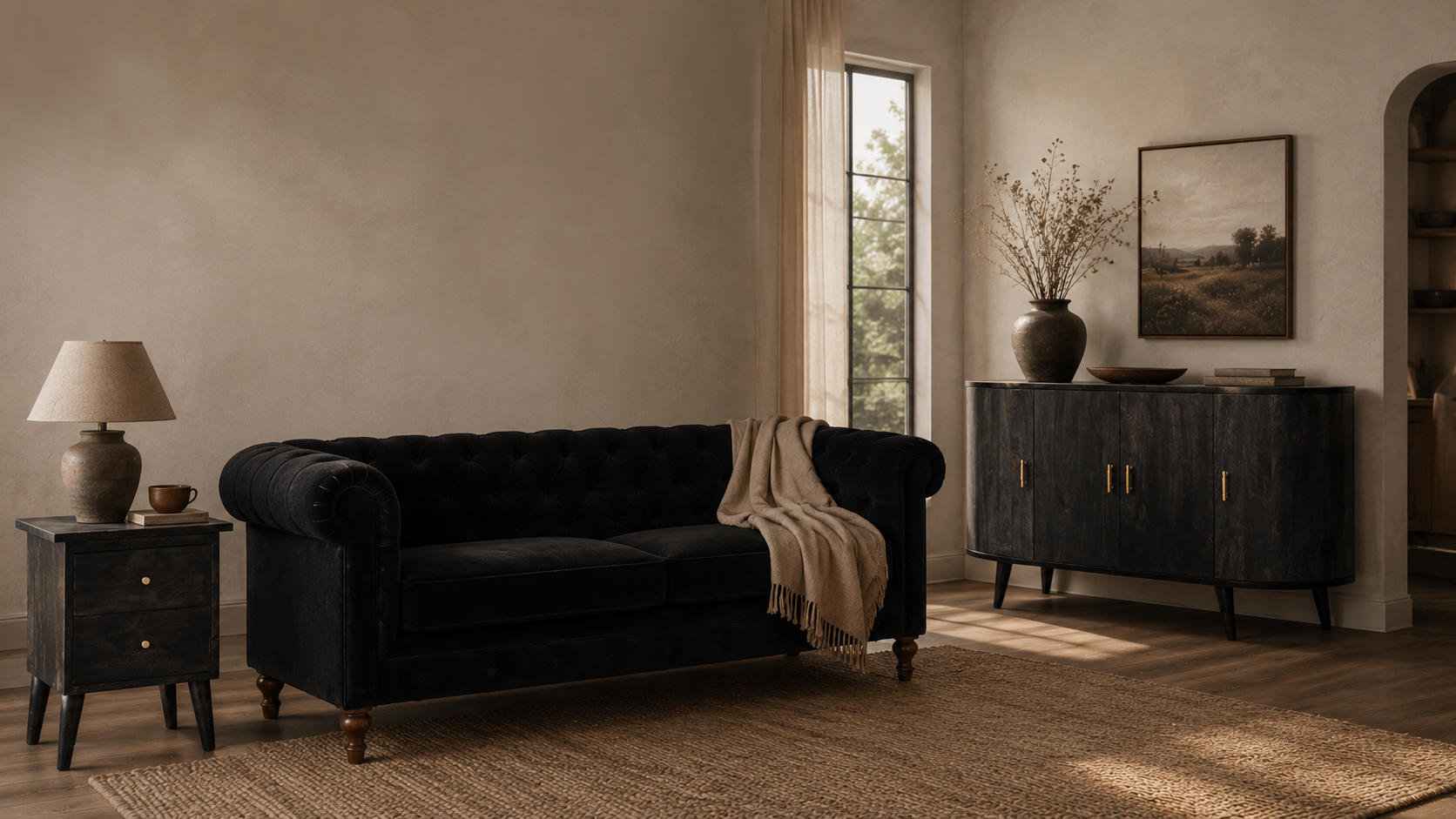
Living Room Furniture Black: How to Make It Feel Warm, Stylish, and Built to Last
If you’re drawn to living room furniture black but worried it’ll feel cold, heavy, or a bit “show-home”, you’re not alone. Black pieces can look incredibly grown-up and intentional — but only when the shapes, finishes, and materials are right. Get it wrong and a room can feel flat, show every speck of dust, or look mismatched next to warmer tones.
The good news: black furniture is one of the easiest ways to create a calm, cohesive living room that still has depth and character. The key is choosing well-made pieces (especially the ones you’ll live on every day, like your sofa), balancing black with texture and light, and paying attention to undertones so everything feels considered rather than thrown together.
Why black furniture works so well in real living rooms (not just on Pinterest)
Black is a grounding colour. In a living room, it can act like a visual “frame” that makes everything else — artwork, rugs, plants, even the view out of the window — feel more defined.
It’s also forgiving in day-to-day life. A black sofa or occasional chair can be a practical choice in a family home or a busy household because it tends to hide minor marks better than very pale upholstery. And if you’re renting or slowly upgrading your space, black furniture can bridge the gap between different styles and eras of your existing pieces.
Where black sometimes goes wrong is when it’s treated like a single note. A room that’s black-on-black with no variation in texture can feel a bit hard. But when black is layered — matte with soft textiles, wood grain with woven baskets, metal with linen — it becomes warm and dimensional rather than stark.
If you’re collecting black living room furniture ideas, look beyond colour and focus on finish and texture. That’s where the “expensive” feeling comes from.
Living room furniture black: what to look for before you buy
Black can disguise poor quality in photos, so it’s worth being a little picky — especially with big-ticket pieces.
1) The finish matters (more than the colour)
A very glossy black can read modern, but it also shows fingerprints and can look a bit harsh in softer interiors. A matte or satin finish usually feels calmer and more timeless, and it pairs beautifully with natural textures.
2) Check the undertone
Not all blacks are the same. Some lean cool (almost blue), some are warmer (with brown or charcoal notes). If your living room has warm whites, oak tones, brass, or earthy textiles, a slightly warmer black often looks more natural.
3) Prioritise proportions and comfort
If you’re buying a sofa, comfort and scale come first. Think about how you actually use the room: do you sprawl out for films, sit upright for reading, host friends regularly, or need something that works for both adults and kids? A “perfect” black sofa that’s too deep, too low, or too firm will quickly feel like a mistake.
4) Pay attention to construction and materials
When you’re buying black wood furniture for living room spaces — coffee tables, TV units, sideboards — look for pieces that feel solid and stable, with well-finished edges and thoughtful joinery. Solid wood (including solid mango wood where used) brings natural grain and depth that stops black from feeling flat.
5) Make sure it’s easy to live with
Ask yourself practical questions: Will the sofa fabric cope with your lifestyle? Is there room to open cupboards fully? Will the coffee table be comfortable for feet-up evenings and still usable for drinks and board games? Good design is the kind you don’t have to tiptoe around.
How to stop black furniture feeling heavy: balance, light, and texture
If you’re worried black will dominate the room, you don’t necessarily need less black — you need better balance.
Use contrast intentionally
- Pair black pieces with warm whites (think creamy off-whites rather than icy brilliant white).
- Add mid-tones: warm beige, taupe, soft grey, or clay instantly soften the look.
Bring in texture to add warmth
Black looks best next to materials you can almost feel through the room:
- Bouclé or textured upholstery
- Wool or jute rugs
- Linen curtains
- Woven baskets and matte ceramics
- Natural wood grain (a black-stained wood piece with visible grain can look especially rich)
Let the room breathe
A common mistake is pushing dark furniture right up against every wall. Give key pieces a little space where possible — even a few centimetres helps — and avoid blocking natural light with tall, heavy forms.
Think in layers, not sets
A living room doesn’t need to match perfectly to feel cohesive. In fact, a black sofa, a black coffee table, and a black media unit can look fantastic — as long as each piece brings something different: a softer silhouette here, a slimmer leg there, a different texture or finish. This is what keeps the room from looking “one-note”.
Black living room furniture ideas for popular UK interior styles
Black is surprisingly flexible. Here are a few style directions that work particularly well for UK homes — from compact terraces to open-plan new builds.
Japandi / calm minimal
Choose black furniture with clean lines, low profiles, and a matte finish. Balance with pale walls, natural textiles, and a few warm wood accents. A black sofa can feel very serene here — the trick is keeping the rest of the palette soft.
Scandi warm-modern
Scandi doesn’t have to mean all-white. A black sofa or armchair looks great with light oak, soft grey, and warm neutrals. Add a chunky knit throw and a textured rug to keep it inviting.
Mid-century modern
Black works beautifully with mid-century shapes: tapered legs, slim arms, and simple forms. Bring in walnut tones, vintage-inspired artwork, and a statement lamp. This is where black feels smart and intentional rather than trendy.
Rustic modern / organic modern
Lean into natural materials: black paired with raw-looking ceramics, linen, and wood grain feels grounded and relaxed. Black-stained solid wood pieces can look especially characterful because the grain still shows through.
Small living room tip
In compact spaces, a black sofa can actually help visually “anchor” the room — just keep surrounding pieces lighter and choose a sofa with visible legs to create a sense of air underneath.
Choosing a black sofa that won’t date (and won’t disappoint)
A sofa is the piece you’ll interact with most, so it’s worth getting specific about what makes a black sofa feel timeless.
Look for a classic, not a gimmick
Steer towards simple silhouettes and well-resolved proportions. Overly trendy shapes can date quickly; understated design tends to stay relevant as your taste evolves.
Consider the fabric carefully
Black upholstery can show lint and pet hair more than mid-tones, depending on the fabric. Textured weaves often disguise this better than very flat, smooth fabrics. If you have pets or kids, think about how easy it is to maintain day to day.
Comfort is a design feature
If you can, measure your ideal seat depth (or compare to a sofa you already love). Think about whether you want supportive upright seating or a deeper, loungier feel. The right choice depends on how you live — and it makes the room feel better, not just look better.
Real-world use case
- A couple in a Victorian terrace might choose a black sofa as an anchor, then soften it with an oat-coloured rug, linen curtains, and a warm-toned coffee table.
- A young family in an open-plan space might pair a black sofa with practical storage pieces and layered lighting, so the room still feels calm after a busy day.
- A renter upgrading slowly might choose a black sofa first, then build around it with art, cushions, and a few solid, long-lasting furniture pieces over time.
Pairing black with wood: making the room feel warm and “finished”
One of the easiest ways to make black furniture feel welcoming is to pair it with wood — particularly pieces that show natural grain.
If you’re considering black wood furniture for living room use, look for finishes that don’t completely mask the wood’s character. A black-stained or black-finished solid wood piece can still show subtle grain, which adds depth and stops black from feeling like a flat block of colour.
This is where solid mango wood can be a lovely option in the home: it brings natural warmth and visible grain, and it feels substantial in a way that lighter, hollow pieces simply don’t. Used thoughtfully — a coffee table, a TV unit, a sideboard — it helps black feel richer and more layered.
Easy pairings that work
- Black sofa + warm wood coffee table + textured off-white rug
- Black media unit + oak-toned picture frames + ceramics in sandy or clay shades
- Black sideboard + brass lamp + olive green plant for a softer contrast
The overall aim is simple: keep black as your “structure”, then use wood and textiles to bring the comfort.
Conclusion
Living room furniture black can be one of the most versatile choices you make — it’s elegant, grounding, and works across styles from Japandi to mid-century modern. The difference between a room that feels chic and one that feels harsh usually comes down to finish, proportion, texture, and the quality of the pieces you choose.
If you’re ready to build a living room that feels cohesive and properly lived-in (not temporary), start with the pieces you’ll use every day — especially a sofa — then layer in warmth with wood grain, soft textiles, and considered lighting. Explore our handcrafted solid mango wood furniture collection when you’re ready to see pieces designed to bring that warm, timeless character into your home.