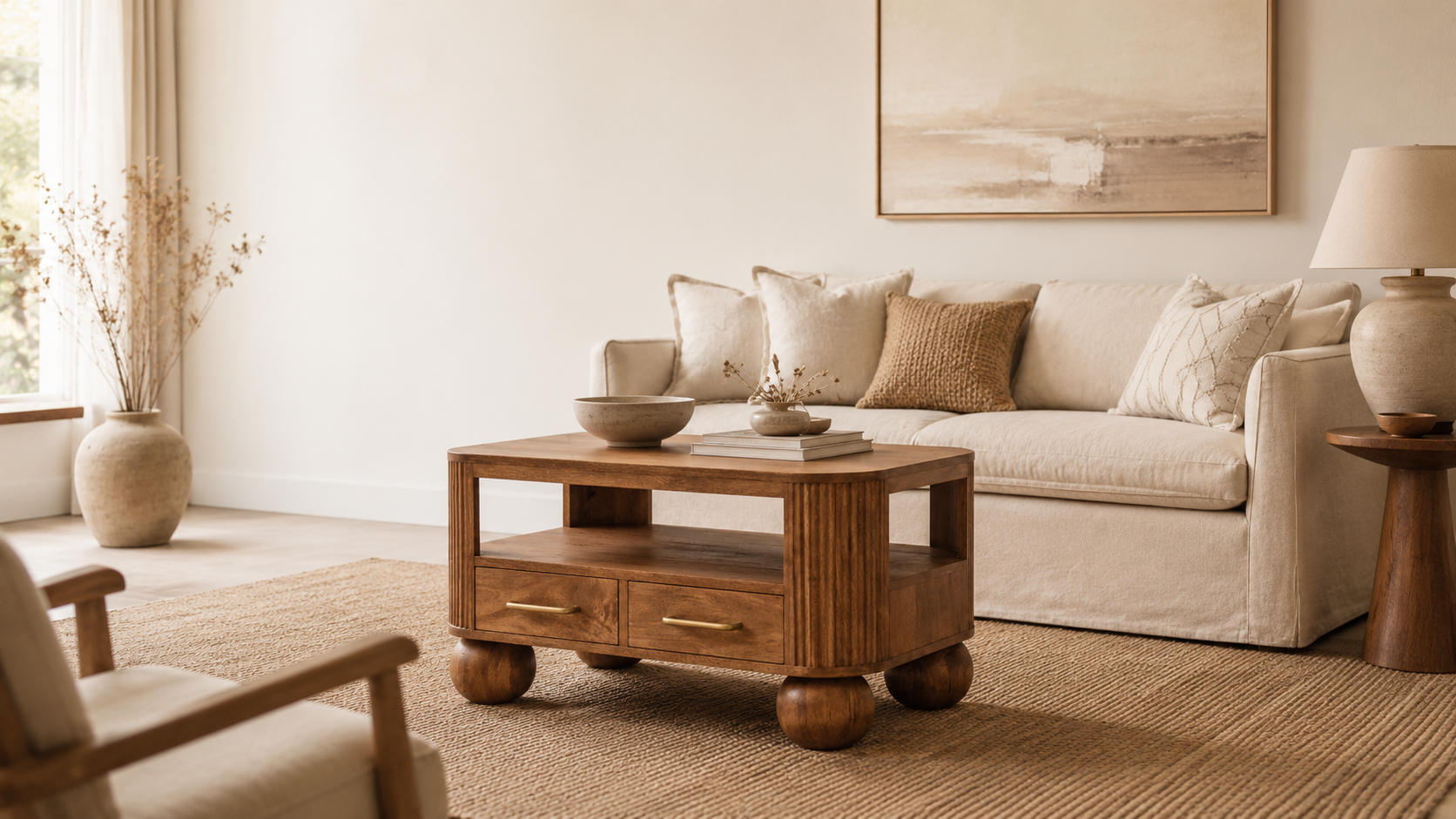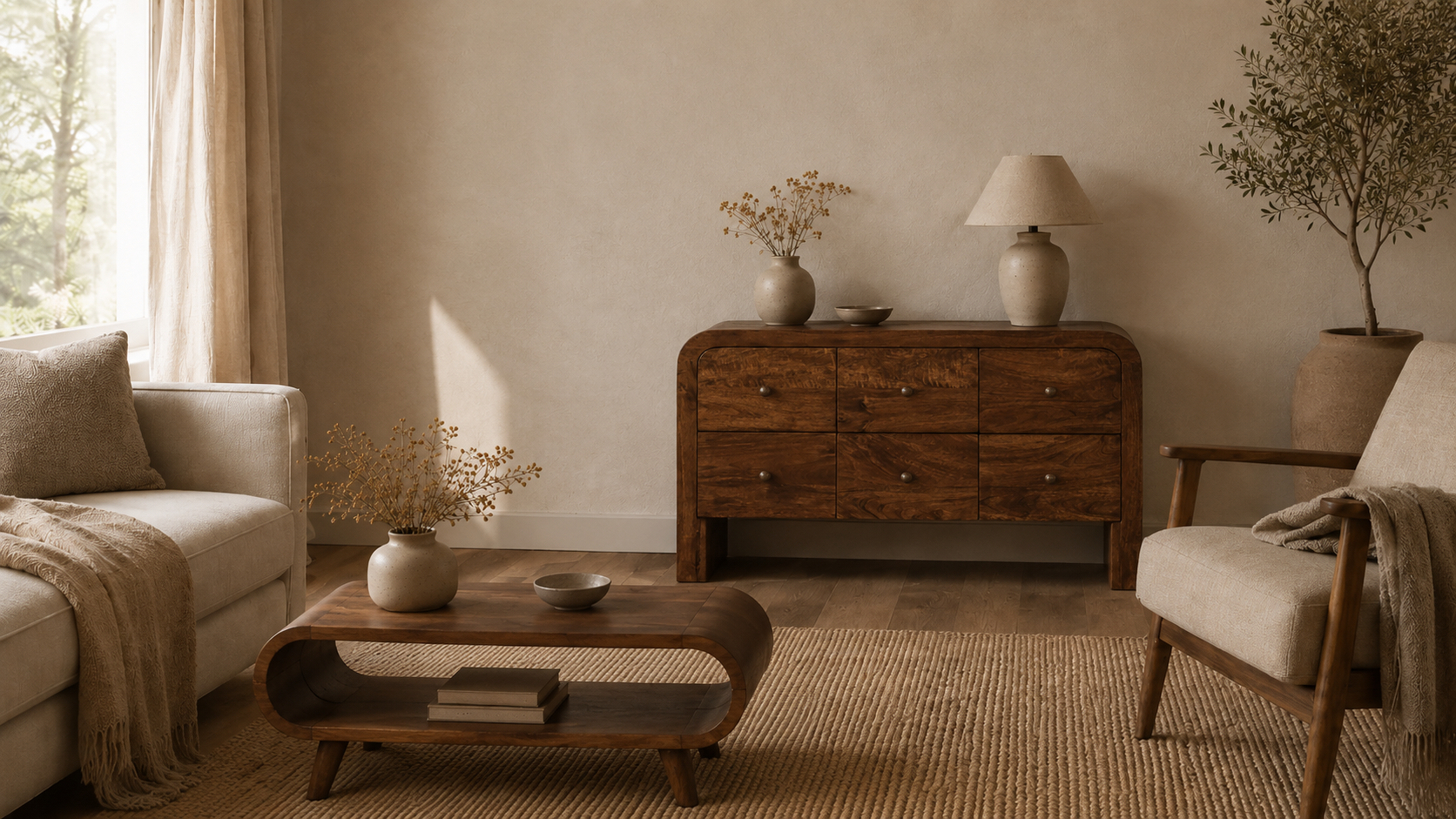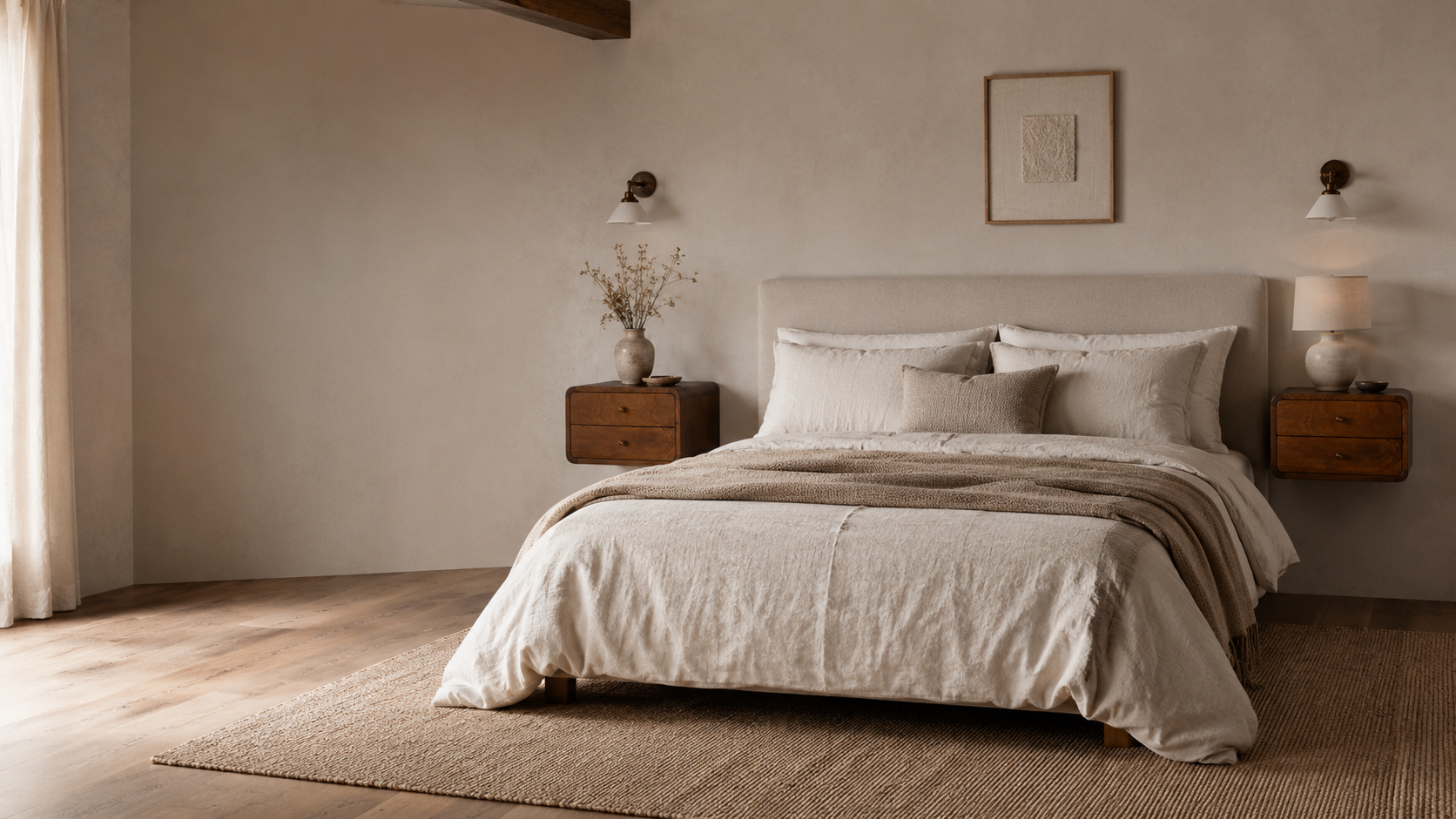
Who Still Makes Solid Wood Furniture? A Practical Guide to Finding the Real Thing
If you’ve been furniture shopping lately, you’ve probably had the same sinking feeling: everything looks fine online, then arrives lightweight, veneered, and a bit… temporary. Wobbly legs, chipped edges, and that flat, “printed” wood look that never quite warms up a room. It’s no wonder people ask, who still makes solid wood furniture—and how do you actually find it without becoming a materials detective?
The good news: proper solid wood pieces are still being made. You just need to know what to look for, what questions to ask, and which details separate a long-lasting dining table from something that’s destined for the tip in a few years.
Why solid wood furniture feels harder to find now
A lot has changed in the way furniture is produced and sold. Many mainstream ranges are designed to ship cheaply, assemble quickly, and hit a price point. That often means engineered boards (MDF, particleboard), thin veneers, hollow cores, and hardware that does most of the structural work.
There’s nothing inherently “wrong” with all of that—especially for short-term living or tight budgets—but it explains why so much furniture can feel disposable. Engineered boards don’t refinish well, corners can swell if they get damp, and fixings loosen over time.
Solid wood is different. It’s heavier, more repairable, and tends to age with you rather than against you. The catch is that solid wood requires better joinery, more skilled labour, and more careful design around natural movement—so it’s typically made in smaller batches by brands that value craft, or by traditional furniture makers who still build pieces the old-fashioned way.
If your goal is a dining table that becomes the centre of family life (rather than a constant source of coasters and worry), it’s worth learning the signs of the real thing.
Who still makes solid wood furniture? (And what that actually means)
The most reliable answer is: the makers who don’t design around flat-pack constraints.
In practical terms, you’ll still find solid wood furniture from:
- Specialist wood furniture brands that focus on natural materials and craftsmanship over mass production.
- Smaller workshops and traditional furniture makers producing in limited runs.
- Real wood furniture manufacturers who build with solid timber as a core material rather than relying on veneer over board.
But “solid wood” can be used loosely, so it helps to be specific about what you’re looking at. A table might be described as “wood” because it has a veneer top, or “solid” because the legs are solid while the top is not.
A genuinely solid wood dining table typically has:
- A tabletop made from solid timber (not MDF/particleboard with a veneer)
- Substantial, weighty legs and underframe
- Joinery that supports long-term strength (not just screws into soft board)
If a product page is vague—“wood effect”, “oak finish”, “engineered wood”, “durable composite”—pause and dig a little deeper. The details will tell you what the table is actually made from.
How to tell if a dining table is truly solid wood (before you buy)
You shouldn’t have to become an expert, but a few checks make all the difference.
1) Read the materials line closely
Look for plain language like “solid mango wood” or “solid oak”. If you see “MDF”, “particleboard”, “rubberwood + veneer”, “engineered wood”, or “acacia veneer”, the top may not be solid.
2) Check the edges and underside in photos
Veneered tops often have a very uniform grain and a slightly “wrapped” look at the edge. Solid wood tops tend to show more natural variation. Underside shots are helpful: solid wood construction is usually less pristine-looking underneath because it’s real timber, not a sheet material.
3) Look for joinery details
Good makers talk about how things are put together: corner blocks, strong apron frames, robust fixings. If the listing focuses mainly on colour and styling but says nothing about construction, that can be a clue.
4) Consider weight and proportion
A solid wood dining table generally feels grounded. It shouldn’t skate across the floor when someone leans on it. Chunkier legs aren’t the only answer—elegant designs can be sturdy too—but proportion matters.
5) Ask one direct question
If you’re unsure, ask: “Is the tabletop solid wood all the way through, or is it veneer/engineered board?” A clear brand will answer clearly.
The small construction details that separate ‘heirloom’ from ‘here-today-gone-tomorrow’
Two dining tables can look similar in a styled photo and behave completely differently in real life. Here are the details that tend to show up after six months of everyday use.
A proper apron and underframe
That framework under the tabletop (often called an apron) helps prevent wobble and supports the top over time. Minimal, airy designs can still be strong, but they need smart engineering.
Sturdy leg connections
If legs bolt into weak material, they loosen. In solid wood, the fixing point is stronger. Well-made tables also distribute stress through the frame rather than relying on a single bracket.
A finish that suits real life
A dining table has to handle hot mugs, quick wipe-downs, and the occasional spill. The best finish is the one that fits your household: some people want a very natural, tactile feel; others prefer a tougher, more wipeable surface. Either way, you want a finish that complements the grain rather than masking it.
Design that allows wood to move
Solid wood expands and contracts with seasons. Skilled makers build with that in mind so the table stays stable over the years. If you’ve had a tabletop split or warp in the past, construction (not just “bad luck”) is often the reason.
These are exactly the sorts of choices you’ll see from brands focused on craftsmanship rather than quick turnover.
Why solid mango wood works so well for dining tables
Not all solid wood behaves the same way, and mango wood has become popular for good reason—especially for homes that want warmth without feeling heavy or old-fashioned.
It has a naturally characterful grain
Mango wood tends to show visible variation, which adds depth and softness to a room. In real homes, that subtle movement in the grain helps a dining space feel more relaxed and lived-in, rather than showroom-perfect.
It’s a practical choice for busy households
For a dining table that’s used daily—breakfast, homework, working from home, and weekend hosting—solid wood’s long-term repairability is a quiet advantage. Light marks and wear can often be refreshed over time in a way that veneered surfaces simply can’t.
It suits modern interiors
Mango wood sits comfortably with mid-century modern lines, Scandinavian simplicity, Japandi calm, and rustic modern texture. It brings warmth to white walls and balances black metal or neutral upholstery.
In other words: it looks grown-up, but it doesn’t feel precious.
Real-life dining table scenarios: choosing the right size, shape, and feel
A dining table isn’t just a rectangle in your floorplan—it’s how you live.
For everyday family life
If your table is where meals happen alongside crafts and laptops, look for a surface you won’t panic about. Solid wood is forgiving, and a well-made table can take daily use without feeling like it’s deteriorating.
Size-wise, think beyond the number of seats. You’ll want comfortable elbow room and space for serving dishes. If you often have a highchair, allow extra circulation space around one end.
For renters upgrading a ‘temporary’ dining area
If you’re in a flat with a compact dining zone, a smaller solid wood table can still feel substantial and calming—especially paired with lighter chairs to keep the room airy. It’s one of the quickest ways to make a space feel more permanent, even if your tenancy isn’t.
For people who host
If you love having friends over, prioritise leg placement and underframe design so guests aren’t battling table legs. Consider how many people you can seat comfortably without squeezing—six relaxed seats often feels better than eight cramped ones.
For open-plan kitchens
A warm wood table helps break up a sea of cabinets and hard surfaces. If your kitchen is very sleek (white, grey, handleless), a solid wood dining table adds texture and stops the space feeling flat.
Once you picture the table in use—Tuesday night pasta, Saturday morning coffee, birthdays, Christmas—you’ll find it easier to choose something with the right presence and practicality.
How to buy solid wood with confidence: a quick checklist
If you’re trying to avoid disappointment, run through this before you click “add to basket”:
- Materials are clearly stated (and include the tabletop, not just the legs)
- Construction details are explained (how it’s built, not just how it looks)
- Photos show close-ups of grain and edges, ideally from more than one angle
- Proportions look stable (not spindly unless it’s engineered to be so)
- You can imagine maintaining it (wiping, occasional re-oiling/waxing if needed, living with natural variation)
And one mindset shift that helps: solid wood won’t look perfectly uniform—and that’s the point. Natural grain variation is what makes a dining table feel warm and real in your home, rather than like a printed pattern repeated across a factory line.
Conclusion
So, who still makes solid wood furniture? The makers who choose craftsmanship over shortcuts—brands and workshops that are upfront about materials, build with proper joinery, and design pieces to be lived with for years.
If you’re ready to move on from flimsy, veneered tables and choose something with real warmth and presence, take a look at Grain and Loom’s dining pieces. Explore our handcrafted solid mango wood furniture collection, and find a dining table that will feel good today—and still feel right a decade from now.