How Much Is Solid Wood Furniture Worth? A Practical Guide to Value, Longevity and What You’re Really Paying For
If you’re wondering how much is solid wood furniture worth, you’re probably weighing up a familiar dilemma: pay more now for something substantial, or save money and risk replacing it in a few years. It’s a sensible question — especially when two dining tables can look similar online yet sit in completely different price brackets.
The truth is, “worth” isn’t just about the number on the product page. It’s about what the piece is made from, how it’s constructed, how it will behave in a real home (heat, spills, kids, guests, daily use), and whether it will still feel good to live with years from now. Here’s how to judge solid wood furniture value without needing to be a furniture maker.
What “worth” really means for furniture (beyond the price tag)
A dining table is one of the hardest-working pieces in a home. It’s where you eat, work, do homework, host friends, wrap presents, and generally live. So the value of a table isn’t just visual — it’s structural and practical.
A helpful way to think about value is to split it into three parts:
- Use value: How it performs day-to-day. Does it feel stable? Is it easy to live with? Does it mark easily?
- Longevity value: How it holds up over time. Will it loosen, sag, or chip? Can it be maintained or refinished?
- Emotional/design value: How it makes the room feel. Does it add warmth and character? Do you still like it once trends move on?
Solid wood tends to score well because it’s naturally strong, repairable, and visually rich. But not all “solid wood” pieces are equal — and that’s where the price differences usually come from.
How much is solid wood furniture worth? The biggest factors that drive value
If you’re trying to sense-check whether a higher price is justified, these are the factors that most directly influence solid wood furniture value.
1) The timber itself (species, cut, and thickness)
Not all wood behaves the same. Denser hardwoods generally resist dents better than very soft woods, and thicker tops tend to feel more substantial and stay stable over time. A thin top can still be solid wood, but it won’t have the same presence — or the same tolerance for knocks.
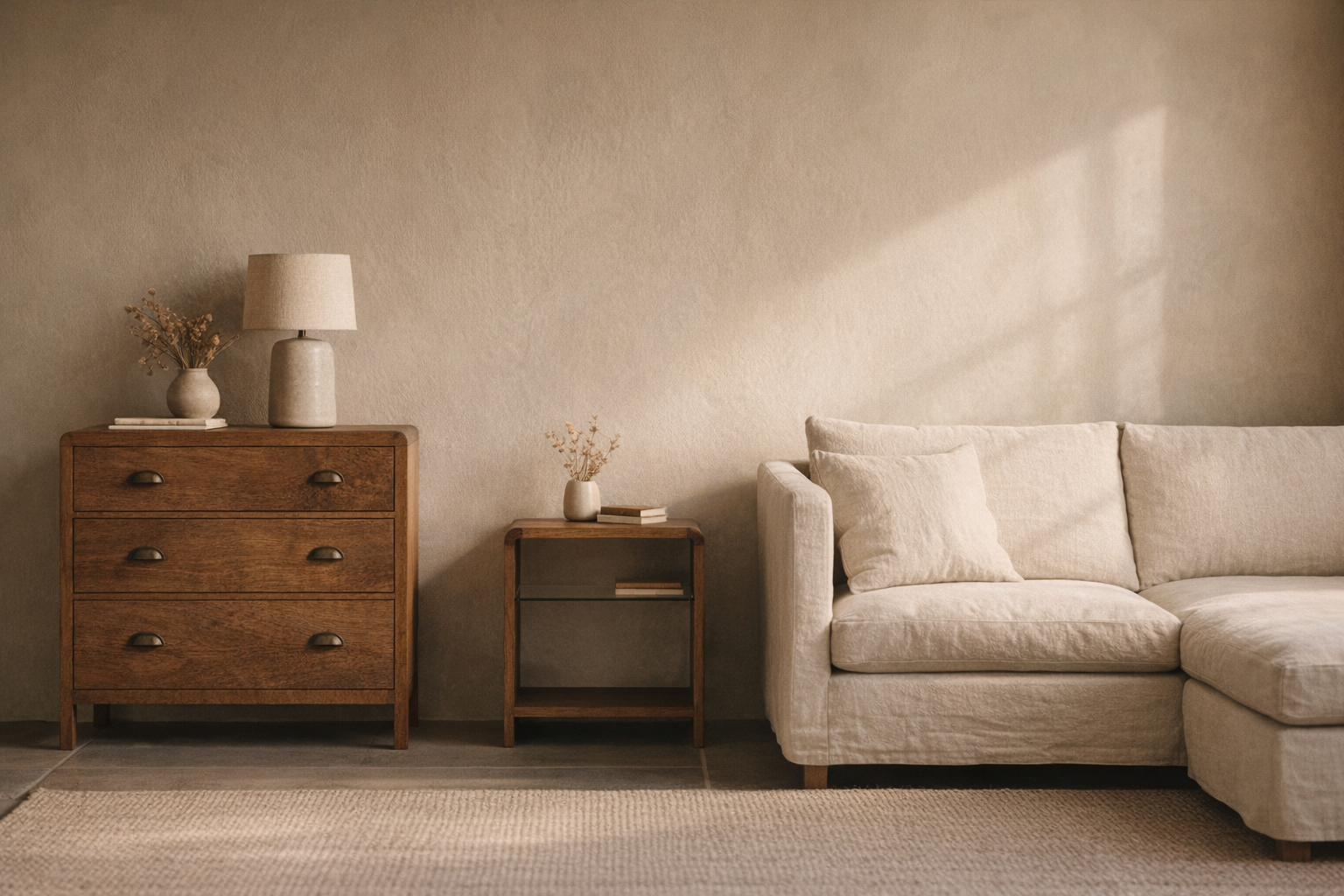
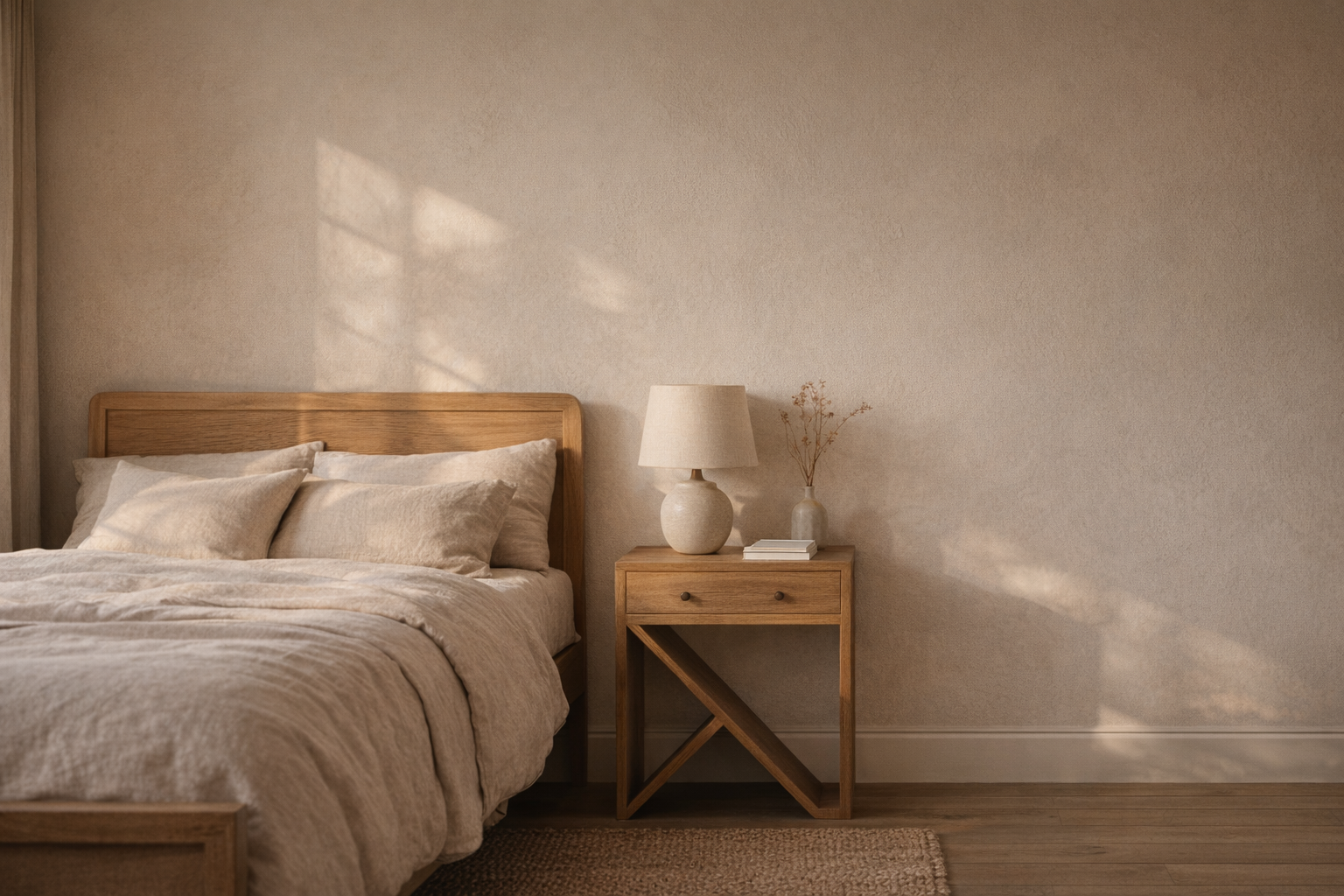
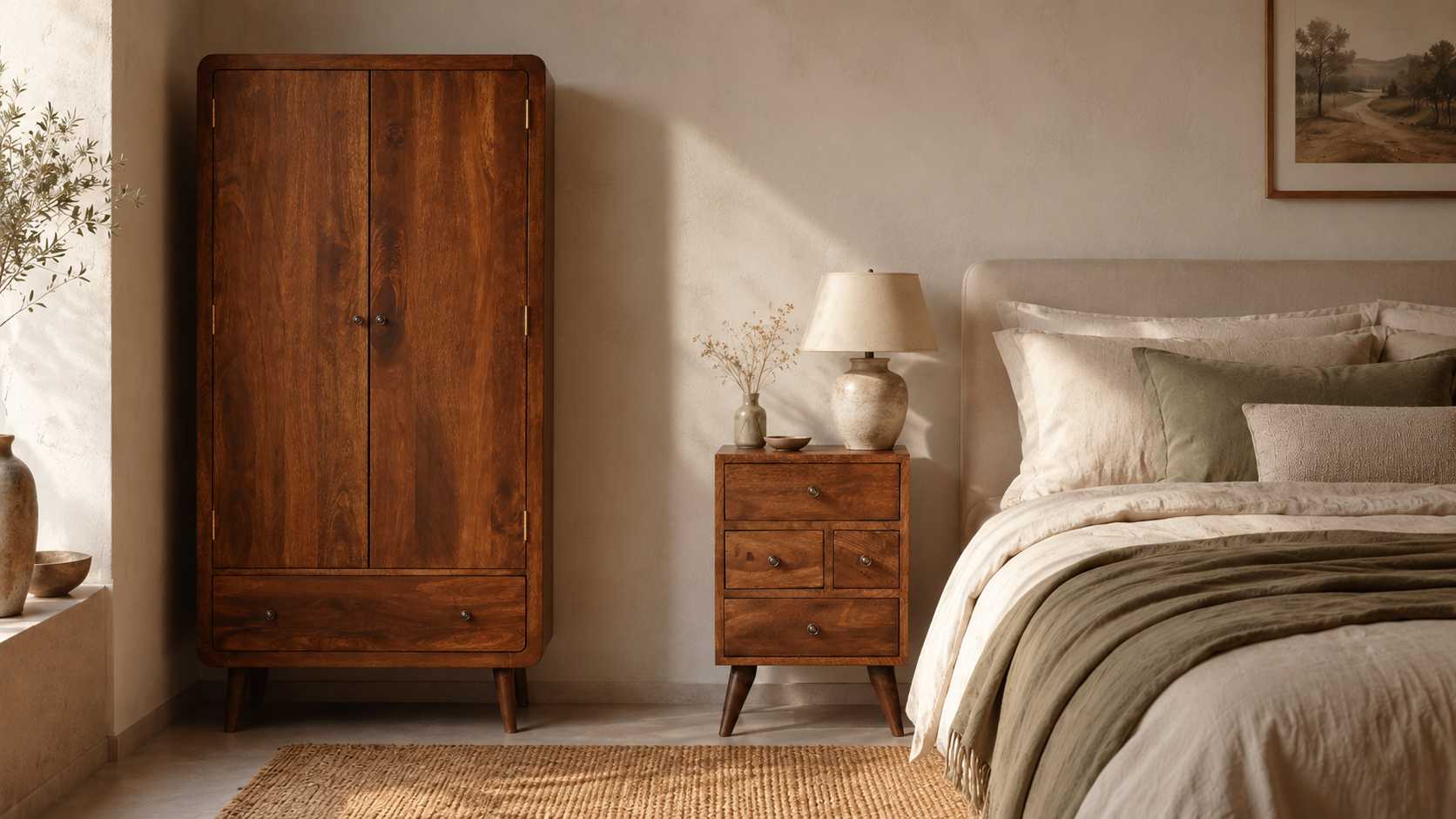
With solid mango wood, you’re often getting a beautifully grained hardwood with a warm tone that suits everything from Scandinavian calm to rustic modern warmth. The natural variation in grain and colour is part of the appeal: it looks lived-in (in a good way) rather than flat.
2) Construction methods (what you can’t see matters)
Two tables can look similar in a quick scroll, but the joinery underneath tells the real story. Look for details such as:
- A sturdy apron/frame under the top (helps prevent wobble)
- Solid, well-fixed legs (especially at the corners)
- Strong joinery rather than relying purely on screws
3) Craftsmanship and finishing
A well-finished surface should feel smooth, even, and practical. Finishing isn’t about making wood look glossy; it’s about making it usable. A good finish helps with everyday life: wiping up spills, handling hot mugs (with coasters, ideally), and resisting minor scratches.
4) Design that’s proportioned to last
Timeless design has its own value. The table that still looks right after you repaint the walls, change your chairs, or move house is often the one that feels “worth it” years later.
Solid wood vs veneer, MDF and flat-pack: what you’re paying for long-term
If you’ve been burned by furniture that chips, wobbles, or swells at the first sign of a spill, you’re not imagining it — many lower-cost materials simply have different limits.
Veneer
Veneer can look lovely, and it has a place. But it’s a thin layer of real wood over a core. If the surface gets deeply scratched, sanded, or chipped at an edge, repairs can be tricky because you can’t refinish it the way you can solid wood.
MDF and chipboard
These engineered boards are stable in consistent conditions, but they can be vulnerable to water ingress (think: a wet ring, a damp cloth left on the surface, or a spill that sneaks into a joint). Once swollen, they don’t really “go back”. Corners also tend to show wear sooner, especially on dining tables and sideboards.
Flat-pack joinery
It’s not that flat-pack is automatically bad — it’s that frequent moving, tightening, and everyday lateral forces (someone leaning, kids pushing chairs in and out) can loosen joints over time.
Solid wood
Solid wood can pick up marks, because it’s a natural material, but it’s also more forgiving: many scuffs can be blended, and the piece can often be refreshed rather than replaced. That repairability is a big part of its long-term value.
Real-world example: if your table doubles as a work-from-home desk and a family dining spot, you want a surface and structure that can handle daily chair movement, laptop days, and the occasional rushed dinner without feeling like you need to treat it like a museum piece.
How to spot genuine quality before you buy (especially online)
Buying furniture online can feel like a leap of faith, so it helps to know what signals quality.
Check the product description for clarity
Look for straightforward language about what’s solid wood and what isn’t. “Solid wood” should refer to the main structural parts you rely on, not just a trim.
Look closely at the underside and details
Brands that build well usually aren’t shy about showing it. Zoom in on:
- Leg fixings and corner blocks
- The thickness of the top
- How the table is braced underneath
Pay attention to proportions
A table can be beautiful but still feel flimsy if the legs are too slender for the size, or if there’s not enough support under a long span. If you’re buying for a busy home, you want visual lightness balanced with real stability.
Consider how it will be used in your space
Ask yourself practical questions:
- Is it your everyday dining table, or more occasional?
- Will it sit in strong sunlight near a window?
- Do you need space for three seats on one side, or just two?
- Will you be moving it often (renting, rearranging)?
A genuinely good table should meet your real life, not just your Pinterest board.
Does solid wood furniture hold its value? Understanding resale value in the real world
The resale value of wooden furniture depends on a few honest realities: brand recognition, condition, style, and how easy it is for someone else to collect and use.
Solid wood often performs better than MDF or veneer on the second-hand market for one main reason: buyers understand it’s durable and repairable. A few surface marks don’t necessarily put people off, because they can often be lived with or improved.
That said, resale value isn’t guaranteed, and it’s rarely a straight line. Here’s what tends to help:
- Timeless shapes and warm finishes (easier to rehome)
- Good structural condition (no wobble, no broken joints)
- Reasonable wear that looks like patina rather than damage
If you’re choosing between an inexpensive table you’ll likely replace and a well-made solid wood table you’ll keep (and potentially resell), the “worth” question becomes less about perfect resale and more about avoiding the cycle of buying twice.
In practical terms, solid wood furniture value often shows up as: fewer replacements, fewer frustrations, and a home that feels more grounded and finished.
Making a dining table feel worth it: size, seating, and styling choices that last
Even the best-made table won’t feel worth it if it doesn’t suit the way you live. A few practical guidelines can help you choose well.
Choose the right size for everyday, not just hosting
If you host occasionally, you can still prioritise everyday comfort. Make sure there’s enough clearance to walk around it without doing the sideways shuffle. A table that’s slightly smaller but easy to live with often gets used more.
Match the table to the mood of the room
Solid wood brings warmth, so it works beautifully in:
- Japandi and Scandinavian spaces (light walls, calm textures, simple shapes)
- Mid-century modern rooms (clean lines, a few vintage accents)
- Organic modern interiors (soft neutrals, curves, natural materials)
Pair with chairs that balance the weight of the wood
If the table has a strong presence, consider chairs with lighter visual lines, woven textures, or softer upholstery to keep the room from feeling heavy. If you’ve got kids, easy-wipe materials or forgiving textures can make day-to-day life simpler.
Make peace with natural character
Solid wood has grain movement and tonal variation — that’s part of why it looks so good. If you want something that looks perfectly uniform forever, a printed or engineered surface may feel more predictable. If you want warmth and depth, natural wood delivers it in a way man-made materials rarely do.
Conclusion
So, how much is solid wood furniture worth? Usually more than the initial price suggests — because you’re paying for structure, repairability, day-to-day confidence, and that unmistakable warmth real wood brings to a home. If you choose well, the value shows up slowly: fewer wobbles, fewer chips, fewer replacements, and a room that feels more considered.
If you’re ready to explore pieces designed to be lived with, not tiptoed around, explore our handcrafted solid mango wood furniture collection.